Business guide
How to Start an EV Charging Business: Steps, Costs, Pitfalls
How to start an EV charging station business in 8 steps: segment, site, utility, finance, equipment, permits, pricing and operations, with 2026 cost ranges.
- Prepared by
- EVCSTAR Engineering Team
- Published
- Reading time
- 4 min
- Sources
- 4 references
At a glance
- DC fast equipment per connector (AFDC)
- $38,000-$90,000
- DC fast installation per connector (AFDC)
- $20,000-$60,000
- Public chargepoints worldwide, end-2025 (IEA, as reported)
- 7 million+
- US NEVI average annual uptime requirement
- above 97%
Key takeaways
- 1To start an EV charging station business, follow eight steps in order: choose a segment, score sites, get the utility's connection offer, settle ownership and finance, pick equipment and software, permit and build, set prices and payment, then run it to an uptime target.
- 2On US figures from the Department of Energy's AFDC, a DC fast connector costs $38,000-$90,000 for equipment plus $20,000-$60,000 to install, so a four-connector site is roughly $232,000-$600,000 before grid upgrades, land and working capital.
- 3The utility sets the schedule: one vendor guide (MIDA, August 2026) gives connection lead times from about 6 weeks to 24 months, so request the connection offer before signing a lease or ordering equipment.
- 4Plan around utilisation, not nameplate power; the same vendor guide puts break-even at roughly 10-15% utilisation and says to re-scope below about 7% (a vendor view), and US federally funded ports must average above 97% uptime.
On this page
Short answer: to start an EV charging station business, pick one customer segment, find a site where the grid can give you the power, secure the utility’s connection offer, choose how to own and finance it, then buy equipment and software that you can operate for ten years; a four-connector DC site costs hundreds of thousands of dollars, so every step below is a check that protects that money.
Step 1 to 3: segment, site and utility
Decide who you will serve first, because it fixes the site, the power level and the price you can charge. The main segments are corridor and highway stops, retail and hospitality destinations, fleet depots, and workplaces or apartments. A fleet depot needs a contract and a vehicle schedule; a corridor site needs traffic and high power. Our fleet depot business case covers the depot route.
Then score sites before you negotiate any lease. The weighted method in best location for an EV charging station compares traffic, dwell time, grid access, competition and lease terms. Keep a lease of at least ten years as the aim (MIDA suggests this; it is a vendor view).
Ask the utility for a connection offer early. AFDC advises working with the utility early to identify installation needs, costs and required upgrades, and to confirm pricing and rate impacts. MIDA reports lead times from about 6 weeks with spare capacity to 24 months for a new substation. Use the grid capacity calculator to state the load you are asking for.
Step 4: ownership and finance
The ownership model decides who carries the capital and who keeps the revenue. AFDC describes site-host-owned (host keeps all revenue and pays all costs), third-party-owned (host may earn by leasing the space) and shared arrangements.
| Route | Capital you provide | Revenue you keep | Read next |
|---|---|---|---|
| Own and operate | All | All | Financing |
| Franchise or brand network | Part, fees apply | Part | Franchise vs independent |
| Host a third party | None or little | Rent or share | Ask for written terms |
| Supply to a fleet | Part | Contract fee | Depot business case |
Step 5 and 6: equipment, software, permits, build
Choose hardware you can keep running, and software that does not lock you in. AFDC’s procurement steps are procurement of equipment, vendor and network provider, then a permit from the local building authority, installation, and operation. It names certifications to check (SAE J1772, Buy America where it applies) and notes permits can need fire, environmental or electrical inspection approvals, which extend the timeline. Check that the hardware supports open protocols (OCPP) so you can change network later; see management software.
A worked budget shows the size of the job. The table applies AFDC ranges (US, current) to a four-connector DC site. It excludes the grid connection, land, signage, software, insurance and working capital, and installation per connector falls on bigger sites (see installation cost per bay).
| Block | Per connector | Four connectors |
|---|---|---|
| DC fast equipment | $38,000-$90,000 | $152,000-$360,000 |
| DC fast installation | $20,000-$60,000 | $80,000-$240,000 |
| Subtotal | $232,000-$600,000 |
Put your own numbers in the payback calculator and compare with the total cost breakdown.
Step 7 and 8: pricing, payment and operations
Price from your own cost per kWh, then check it against the market. Our guide to pricing per kWh and per minute gives a cost-plus worked example; payment methods are in payment options. Running costs are electricity, demand charges, annual network fees, maintenance and payment fees (AFDC); the operating cost page and demand charges page detail them.
Then run the site to an uptime target. For US federally funded ports, 23 CFR 680.116 requires average annual uptime above 97%, measured over twelve months with exclusions for utility outages, scheduled maintenance, vandalism and other listed causes. Even where no rule applies, drivers judge a site by whether it works.
Pitfalls that sink new operators
| Pitfall | What to do instead |
|---|---|
| Signing a lease before the utility offer | Get the connection offer first |
| Sizing by nameplate power | Model utilisation at three levels |
| Ignoring demand charges | Include them in cost per kWh |
| Buying locked hardware and network | Require OCPP 1.6 or higher |
| One-site thinking | Build the shared infrastructure for the end state |
| No maintenance plan | Budget for service and spares, see warranty |
Market context: the IEA, as reported by EV Infrastructure News, counted more than 7 million public chargepoints worldwide at the end of 2025, with about 235,000 in the United States; competition is growing, so a clear segment matters.
Where EVCSTAR equipment comes in
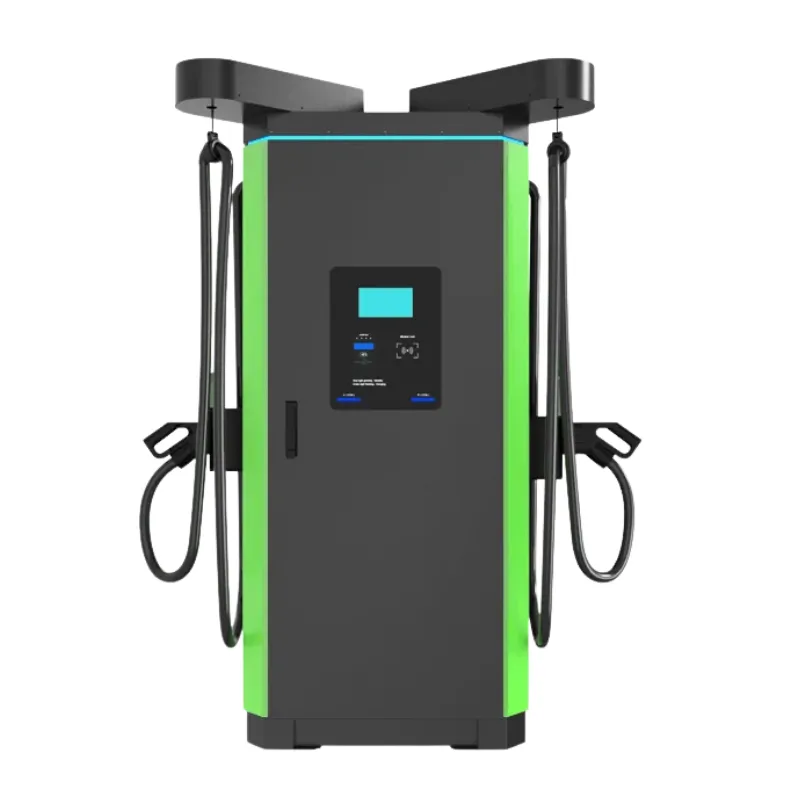
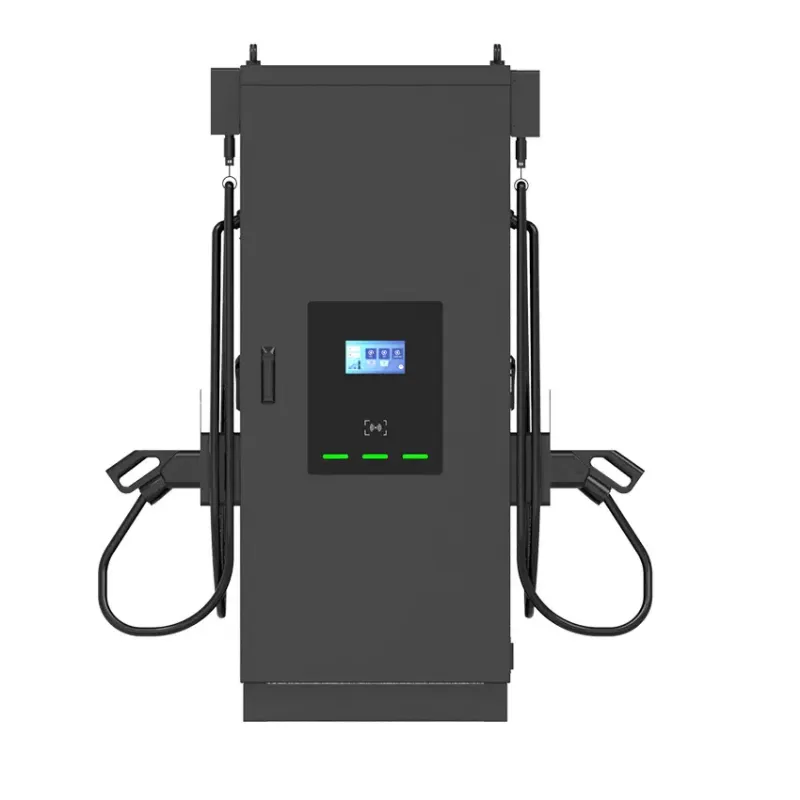
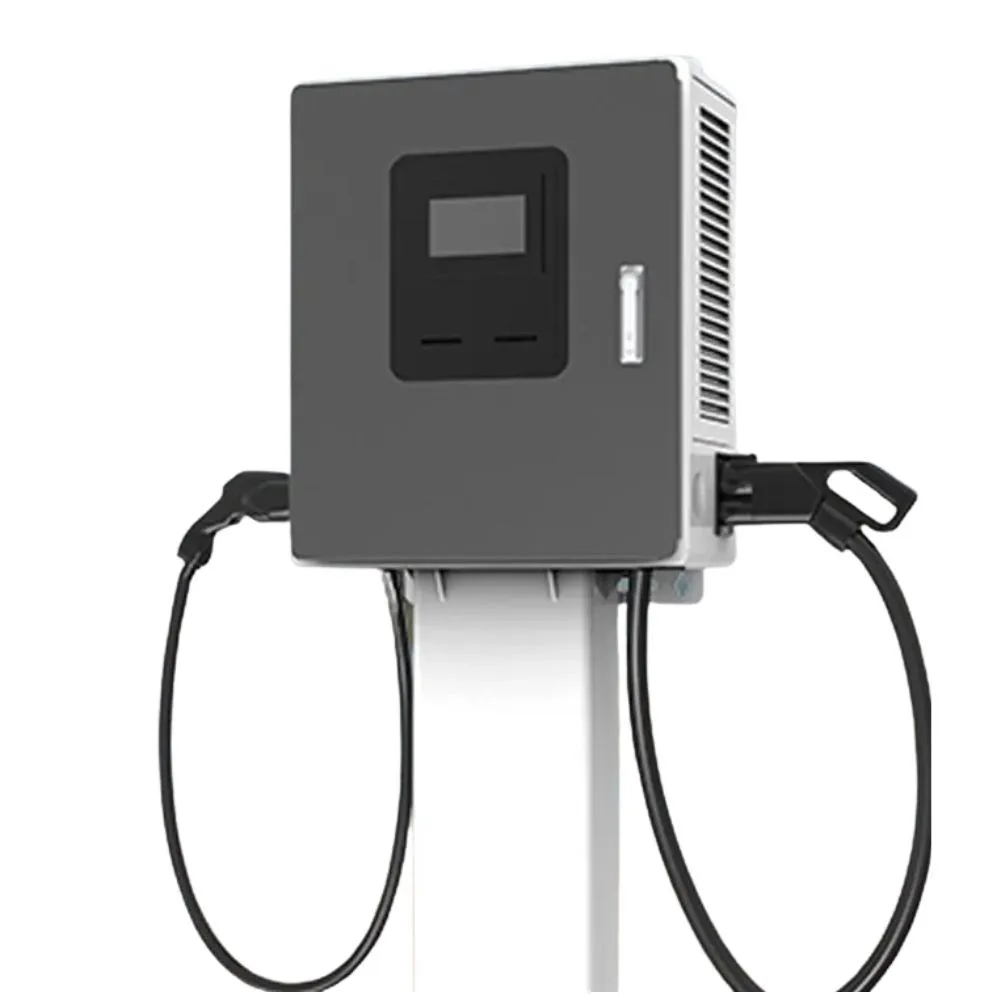
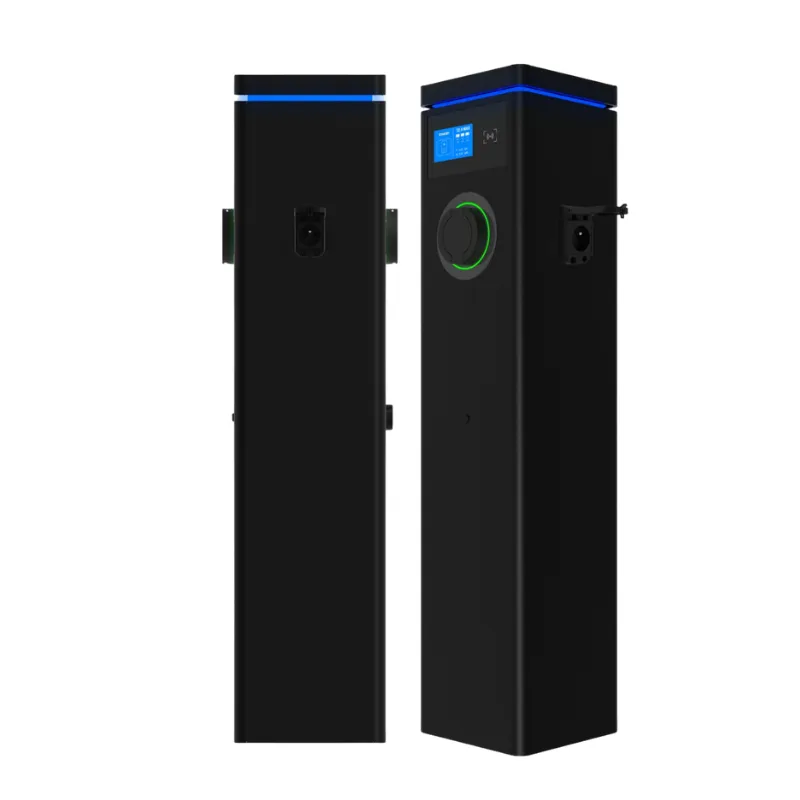
We supply the equipment, protocol support and documents; your site data decides the configuration. For corridor and hub sites look at the UC series (60-360 kW, two guns per cabinet), for tight footprints the CC series, for small yards the HC series, and for hotels and workplaces the CPO series. All support OCPP 1.6J and 2.0.1 and operate up to +55 °C. Price depends on power, cable and connector set, payment options and site conditions: send us the supply voltage, available kVA, bay count and connector standard through the contact page, and we will return a configuration plan and a quotation breakdown you can take to your financier.
Payback calculator
Example values are filled in — replace them with your own quotation, tariff and traffic figures.
- Energy sold per month
- —
- Net margin per month
- —
- Simple payback
- —
Simple payback = total investment ÷ (energy sold × (price − energy cost) − fixed costs), using 30 days per month. Taxes, financing, subsidies and utilisation growth are not included.
Grid capacity calculator
- Spare power for charging
- —
- Input current per charger (400 V)
- —
- Chargers at full power
- —
Spare power = kVA × 0.95 power factor × (1 − margin) − existing peak load. Input current ≈ charger kW ÷ (√3 × 400 V), with power factor and 95 % efficiency added for DC chargers. With dynamic load management more chargers can share the same capacity at reduced power. Always confirm with your electrical engineer and the grid operator.
Frequently asked questions
- How much does it cost to start an EV charging station business?
- Use the US DOE AFDC ranges as a starting frame: public Level 2 averages about $3,500 per connector for equipment and $2,500 to install; DC fast is $38,000-$90,000 for equipment and $20,000-$60,000 to install, per connector. Add the utility connection, land or lease, software, insurance and working capital, which AFDC does not total. Outside the US, ask local contractors for installation quotes.
- Is an EV charging business profitable?
- It can be, but only above a utilisation level that depends on your electricity cost, demand charges and capital cost. One vendor guide suggests break-even around 10-15% utilisation, which is a vendor view we could not check against a neutral source. Test your case at low, base and high utilisation in the payback calculator before you commit.
- Should I buy a franchise or start independently?
- It depends on whether you value a brand and app network more than margin and control. We compare the two in the franchise page. Whichever route you take, ask for the revenue split, who pays electricity and maintenance, and what happens to the equipment at the end of the term.
- Do I need a licence to sell electricity by the kWh?
- Rules differ by country and, in the US, by state. We did not verify the legal position for any specific market in this guide, so ask your energy regulator or a local lawyer before you sell by the kWh. On US federally funded chargers, price must be shown in $/kWh before the session starts (23 CFR 680.116).
- How long does it take to open a charging station?
- The utility connection usually sets the date. One vendor guide gives about 6 weeks with spare capacity and up to 24 months for a new substation. Add time for permits, which AFDC says can be extended by fire, environmental or electrical inspection approvals, and for equipment delivery.
References
- [1]Procurement and Installation for Electric Vehicle Charging Infrastructure (steps, ownership models, costs). U.S. Department of Energy, Alternative Fuels Data Center.
- [2]DC charging site selection: where is the golden location (14 August 2026). MIDA Power (equipment vendor; figures are the vendor's own).
- [3]23 CFR 680.116: Data submission and reliability (uptime). Legal Information Institute, Cornell Law School (US federal regulation).
- [4]IEA: 1.8 million public EV chargepoints added globally in 2025, China accounts for 65%. EV Infrastructure News (reporting IEA figures).