Free tool
EV Charger Grid Capacity Calculator
Check how many EV chargers fit your transformer or supply: spare kW after existing load and a safety margin, plus input current per charger at 400 V.
- Prepared by
- EVCSTAR Engineering Team
- Published
- Reading time
- 1 min
- Sources
- —
Key takeaways
- 1Spare power = supply kVA × power factor × (1 − safety margin) − existing peak load.
- 2Grid capacity, not budget, usually decides how many DC chargers a site can have.
- 3Dynamic load management lets more chargers share the same capacity at reduced power.
Grid capacity calculator
- Spare power for charging
- —
- Input current per charger (400 V)
- —
- Chargers at full power
- —
Spare power = kVA × 0.95 power factor × (1 − margin) − existing peak load. Input current ≈ charger kW ÷ (√3 × 400 V), with power factor and 95 % efficiency added for DC chargers. With dynamic load management more chargers can share the same capacity at reduced power. Always confirm with your electrical engineer and the grid operator.
How to read the result
The calculator subtracts your existing peak load and a safety margin from the supply rating, then divides the spare power by the output of one charger. The input current per charger helps your electrician size cables and protection.
| Charger output | Input current per phase at 400 V (approx.) | Typical EVCSTAR series |
|---|---|---|
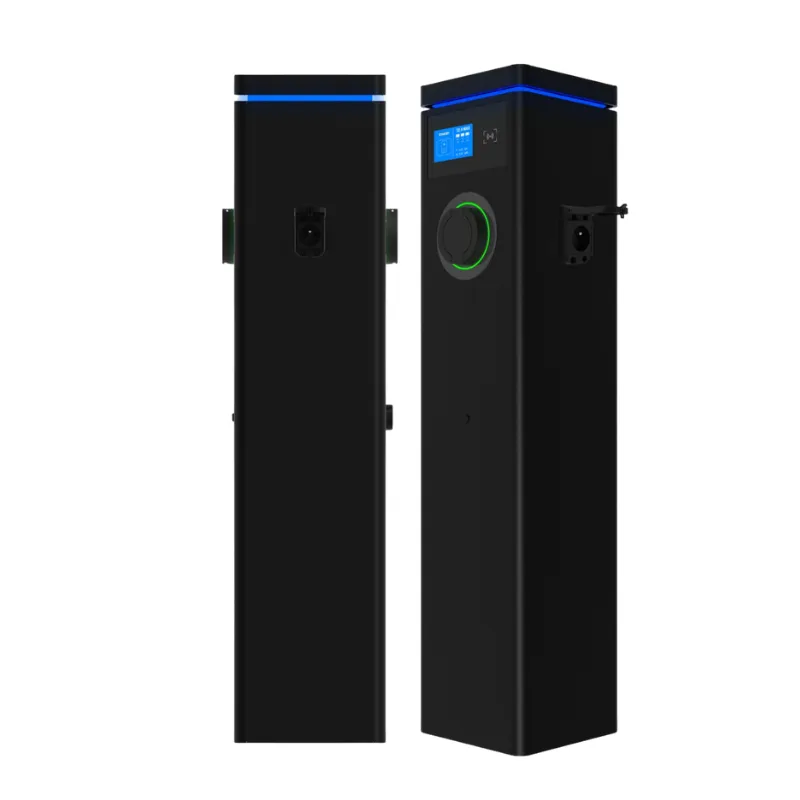
| 22 kW AC | 32 A | CPO, FE |
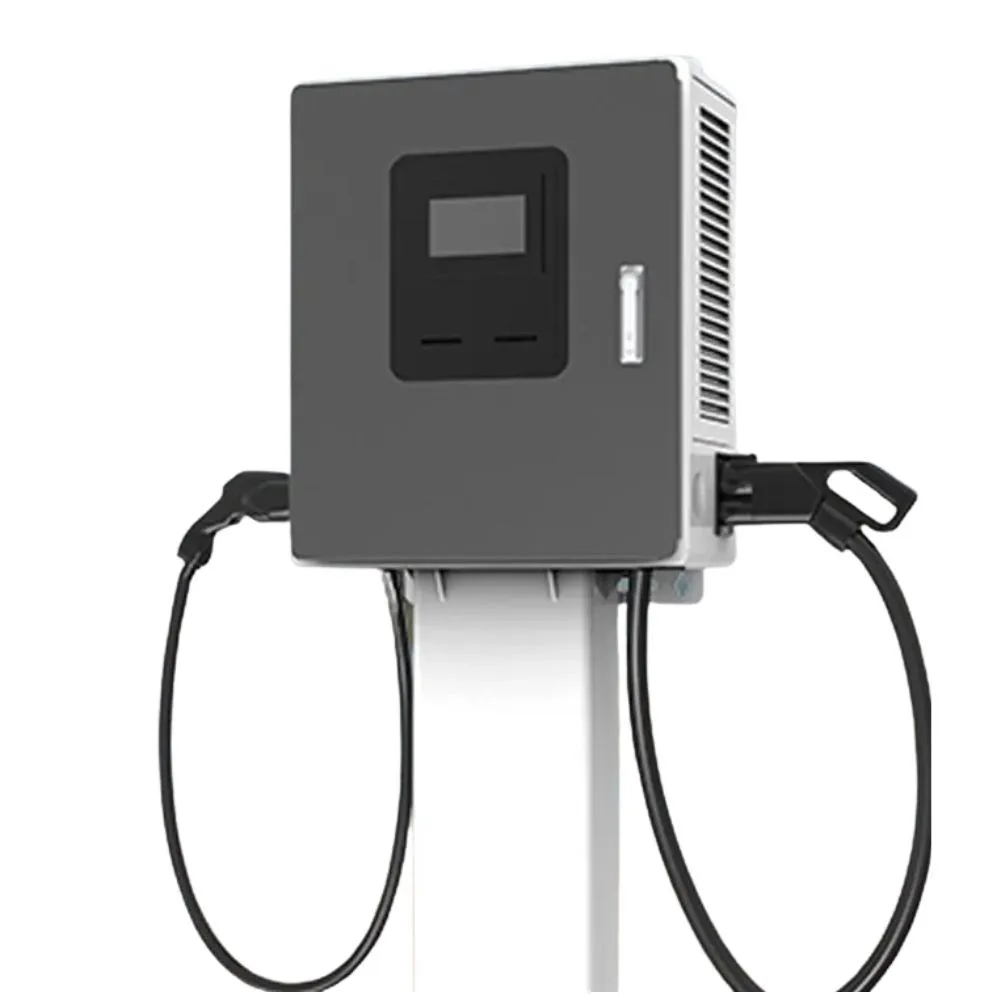
| 30 kW DC | 47 A | SC, HC |
| 60 kW DC | 93 A | HC, UC |
| 120 kW DC | 186 A | CC, UC |
| 180 kW DC | 279 A | CC, UC |
| 300 kW DC | 465 A | UC |
When the grid is the limit
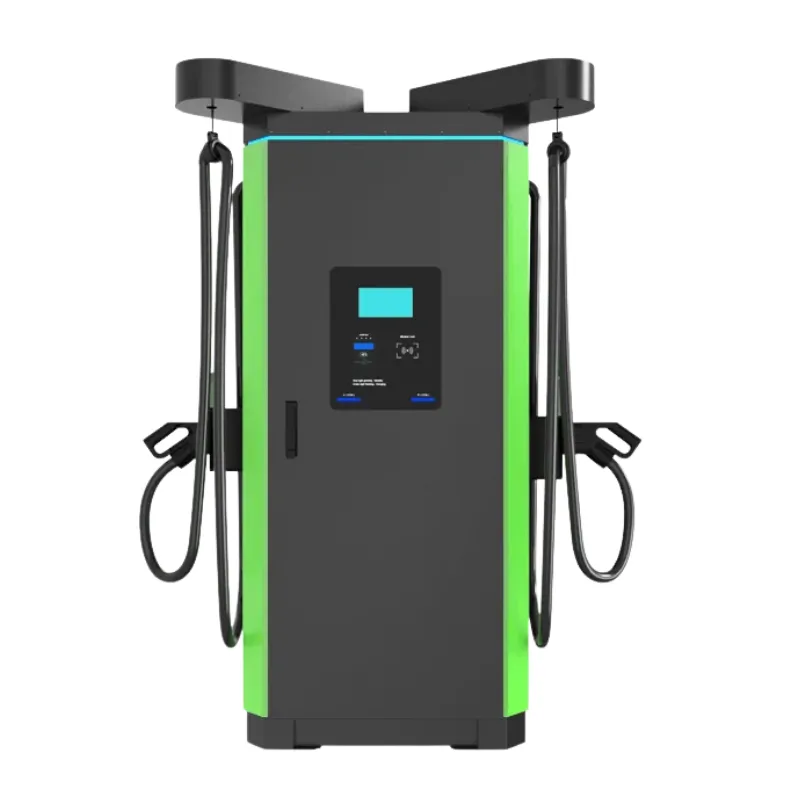
Dual-gun DC cabinets share their output between two bays, so one 180 kW connection can serve two cars. Commercial AC chargers can be grouped under one site current limit. Both approaches let you add bays without increasing the grid connection — at the cost of lower power per car when the site is busy.
This is an estimate. Your electrical engineer and the grid operator confirm the final design.
Frequently asked questions
- Where do I find my existing peak load?
- Your electricity bill or the utility meter data usually shows the maximum demand in kW. Use the highest value of the last twelve months.
- What if the result is zero chargers?
- Choose a lower power class, add load management so chargers share the available power, or ask the grid operator for a supply upgrade. A small DC unit such as a 30 kW charger needs only about 47 A per phase.