Market guide
EV Charger Manufacturer in Pakistan: Building a Station on the NEPRA Tariff
EV charger manufacturer in Pakistan buyer guide: NEPRA base tariff Rs23.57/kWh, 2,000+ feeders on 10-hour load-shedding, and how to size backup power.
- Prepared by
- EVCSTAR Engineering Team
- Published
- Reading time
- 4 min
- Sources
- 8 references
At a glance
- NEPRA base tariff (2025)
- Rs23.57/kWh
- Projected all-in price (2025)
- ~Rs39.70/kWh
- Feeders over 10 h load-shedding (Feb 2026)
- 2,000+ of 12,665
- Policy target: EV share of new sales
- 30% by 2030
Key takeaways
- 1NEPRA cut the base tariff for EV charging stations from Rs45.55 to Rs23.57 per kWh in April 2025, removed the capped margin (the market sets it now), and kept billing under the A-2(d) commercial category with no fuel cost adjustment; the all-in price was projected at about Rs39.70/kWh, against Rs71.10 before.
- 2Grid reliability is the harder problem: in February 2026 the power minister told the National Assembly that more than 2,000 of 12,665 feeders had over 10 hours of daily load-shedding, concentrated in QESCO, SEPCO, PESCO, TESCO and HESCO areas, and the national shortfall passed 4,000 MW in October 2026.
- 3Policy is pro-EV but young: the New Energy Vehicle Policy 2025-2030 targets 30% of new vehicle sales by 2030, yet one report in early 2025 counted only eight operating charging stations; check which feeder your site is on before you check the vehicle forecast.
- 4A station that must stay open through outages needs its backup sized in kWh, not just kW: a 120 kW charger running through a four-hour outage consumes about 480 kWh (our arithmetic), which is why most sites will start with fewer, smaller guns.
On this page
Short answer: a buyer searching for an EV charger manufacturer in Pakistan should first fix two numbers that matter more than the charger’s brand: the electricity tariff the DISCO will bill (NEPRA’s base is Rs23.57 per kWh since 2025) and how many hours a day the feeder is actually energised.
The tariff, as NEPRA set it
The 2025 decision made charging stations a commercial customer with a cheaper base rate and a free-market margin. Profit by Pakistan Today reported on 16 April 2025 that NEPRA cut the base tariff from Rs45.55 to Rs23.57 per unit, removed the Rs24.44 capped margin so that “market forces” set it, and billed operators under category A-2(d), with the change applying nationwide including K-Electric consumers. The article put the earlier final cost at up to Rs95 per unit once about 43% taxes and a Rs10/kWh cross-subsidy were added. A May 2025 revision kept the Rs23.57 base, said the effective price was projected at about Rs39.70/kWh (from Rs71.10), and confirmed that fuel cost adjustments, positive or negative, do not apply.
| Item | Before (April 2025) | After (NEPRA decision) |
|---|---|---|
| Base tariff | Rs45.55/kWh | Rs23.57/kWh |
| Operator margin | Capped at Rs24.44/kWh | Market-determined |
| Billing category | Not stated in the sources | A-2(d), no fuel cost adjustment |
| Projected all-in price | Rs71.10/kWh | About Rs39.70/kWh |
Two cautions. The decision went to the federal government for gazette notification and a NEPRA member dissented on cross-subsidising the discount, so the rate can be revisited. And a lower input tariff only helps if the DISCO connects you to a feeder that stays on.
Load-shedding decides your uptime
The feeder is a bigger business risk than the vehicle forecast. The News reported that in a written reply to the National Assembly on 13 February 2026, the power minister said that more than 2,000 of 12,665 feeders face over 10 hours of daily load-shedding. The affected counts were QESCO 604 of 814, SEPCO 407 of 707, PESCO 642 of 1,376, TESCO 174 of 357, HESCO 322 of 747 and Hazara Electric 37 of 286, with none reported beyond 10 hours in LESCO, IESCO, GEPCO and FESCO. ARY News reported on 6 October 2026 that the national shortfall passed 4,000 MW, with three to four hours of outages in urban and rural areas. On 19 October 2026 ProPakistani reported the minister’s plan to move load-shedding from whole feeders to individual transformers in areas with power theft, starting June 2027.
For a site, that means asking your DISCO three things before you sign a lease: which feeder, its outage history, and whether it is on a protected or industrial category. Corridor and motorway sites will often be on feeders you cannot choose.
Backup power: size it in kilowatt-hours
Backup is a separate design from the charger, and it is sized by how many hours you promise to stay open. Our arithmetic: a 120 kW charger running through a four-hour outage uses about 480 kWh, which a diesel generator handles easily and a battery handles expensively. Many early operators will accept that a site closes during outages and instead use backup for the controller, lighting, payment terminal and a lower-power charge.
- Generator: lowest upfront cost; fuel and noise; works with any charger if the set can take the start-up and step loads.
- Solar plus storage: reduces daytime energy cost and covers part of an outage, but must be sized against your own load. NEPRA’s December 2025 draft prosumer rules proposed replacing net metering with gross metering at about Rs11.30 per exported unit for new rooftop systems, against Rs22 for existing contracts, with five-year terms (Daily Pakistan); check the rules as finally notified.
- Smaller charger, fewer guns: the cheapest backup is a lower connected load. Use the grid capacity calculator to compare 60, 120 and 180 kW cases.
The market you are entering
Policy intent is clear, but the installed base is still thin. The New Energy Vehicle Policy 2025-2030 targets 30% of new vehicle sales to be electric by 2030, with 50% for two-wheelers, three-wheelers and buses, according to The Express Tribune (August 2026), where speakers also called for charging and battery swapping beyond highways, grid upgrades and clearer bank standards on battery life. In February 2025 Profit reported that only eight charging stations had operated in the previous year, using about 94,000 units, and that the government was considering turning 3,400 closed CNG stations into charging hubs. Both figures date from before the tariff cut, so treat them as a baseline, not a current count.
Practical reading: the first profitable sites are likely to serve two- and three-wheelers and ride-hailing or fleet cars near cities, plus a few motorway stops. See how neighbouring markets are developing on the Bangladesh and Nepal pages, and run the operating cost guide against a Rs39.70 input price.
Choosing equipment and starting the conversation
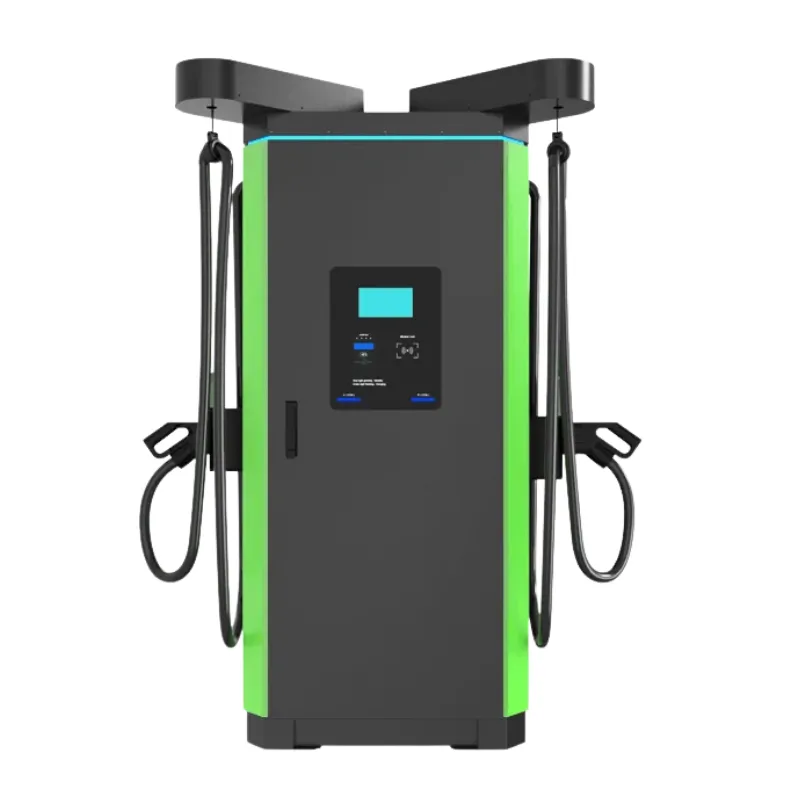
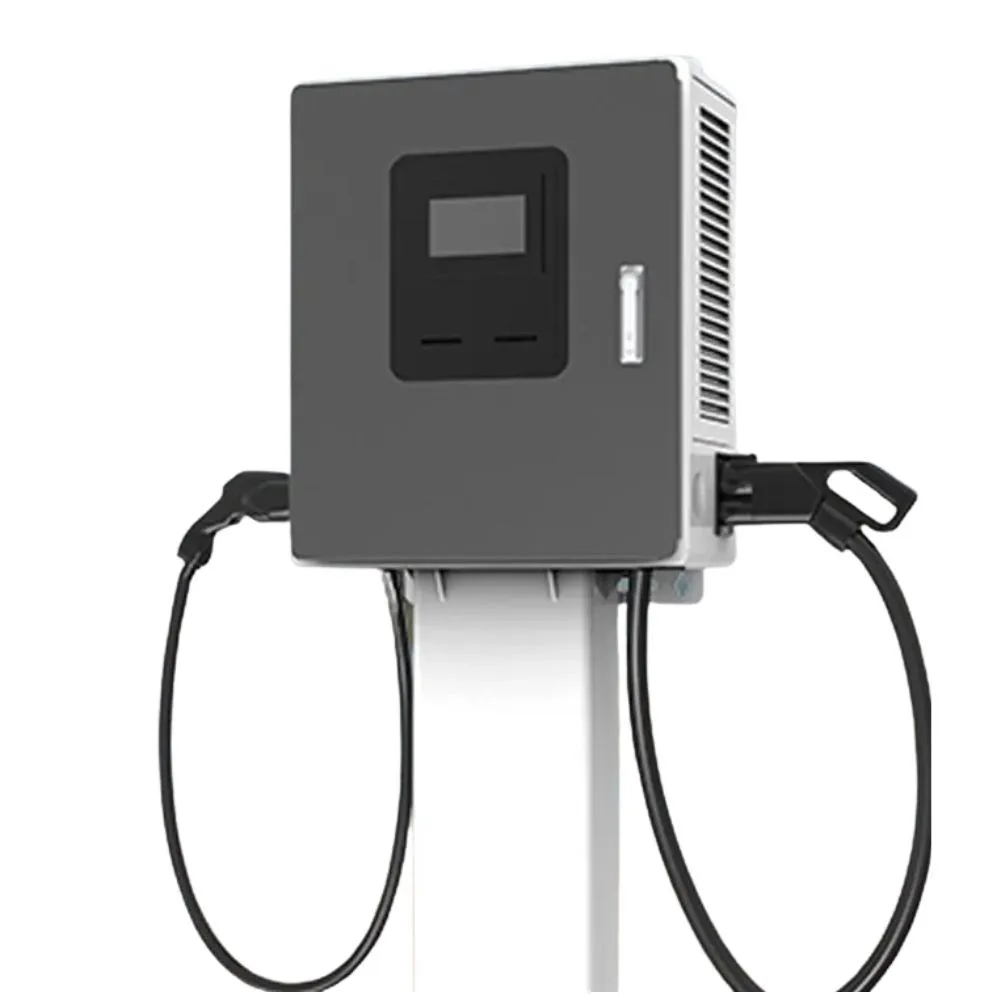
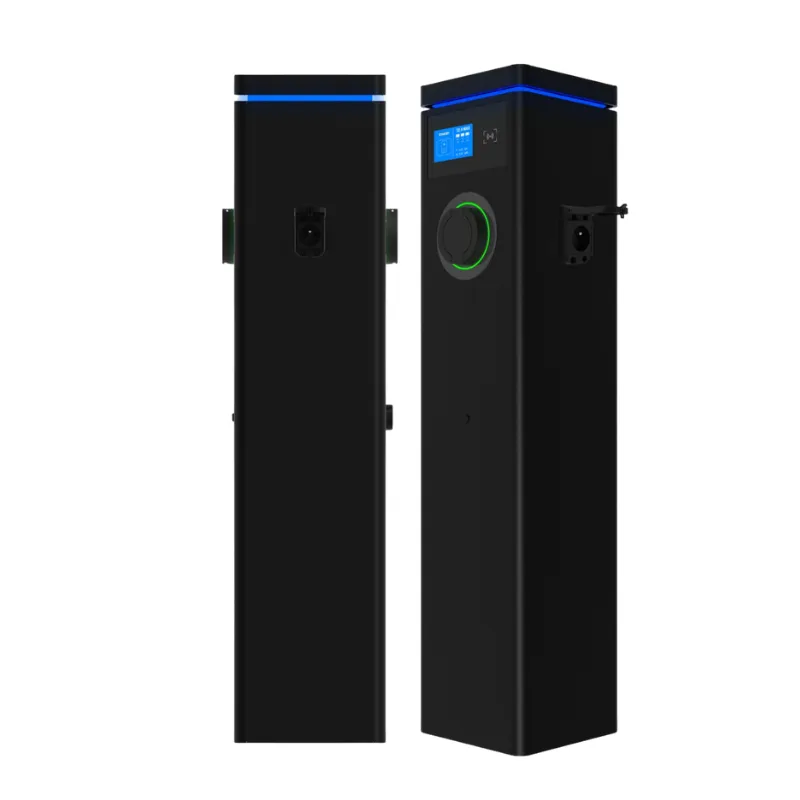
We are a China-based charger maker supplying export markets, with no local office in Pakistan. The European-standard builds run on 400 V three-phase, 50/60 Hz input: the UC series for corridor and hub sites (two guns sharing power, each limited to 200 A, so no single car takes the full cabinet rating), the HC series for smaller DC sites, and the CPO series for dual-port AC bays. All EVCSTAR chargers are specified to +55 °C ambient, which matters in a hot-summer market.
Price depends on configuration: power level, cable and connector mix, payment and backup interfaces, site conditions. Send your supply voltage, number of guns, vehicle types you expect to serve and the feeder capacity your DISCO has confirmed through the contact page, and we will return a configuration and an itemised quotation. We can supply test reports and technical files for any local approval; confirm current import and standards requirements with your customs agent and the relevant authority.
Grid capacity calculator
- Spare power for charging
- —
- Input current per charger (400 V)
- —
- Chargers at full power
- —
Spare power = kVA × 0.95 power factor × (1 − margin) − existing peak load. Input current ≈ charger kW ÷ (√3 × 400 V), with power factor and 95 % efficiency added for DC chargers. With dynamic load management more chargers can share the same capacity at reduced power. Always confirm with your electrical engineer and the grid operator.
Frequently asked questions
- What tariff does a charging station pay for electricity in Pakistan?
- NEPRA set the base tariff for EV charging stations at Rs23.57 per kWh (down from Rs45.55) in April 2025, revised in May 2025, with a market-determined margin on top. Stations are billed by their DISCO under the A-2(d) commercial category, and fuel cost adjustments do not apply. After taxes and adjustments the projected all-in price was about Rs39.70/kWh. The decision went to the federal government for notification and one NEPRA member dissented, so confirm the notified rate with your DISCO before you model margins.
- Can an EV charging station run through load-shedding?
- Only with its own backup. More than 2,000 feeders were reported with over 10 hours of daily load-shedding in February 2026, and the energy minister said in October 2026 that cuts would move from feeders to individual transformers in theft-prone areas from June 2027. Choose a site on a feeder with a good record, ask the DISCO for its feeder outage history, and size generator or battery backup in kWh for the hours you want to keep open.
- Does solar help a charging station in Pakistan?
- It can reduce daytime energy cost and cover part of an outage, but the export side is changing. NEPRA's draft prosumer rules of December 2025 proposed replacing net metering with gross metering at about Rs11.30 per exported unit for new systems, against Rs22 for existing contracts, with five-year terms; check the rules as finally notified. Design the solar around your own load so you export little.
- Which EVCSTAR charger suits a Pakistan site?
- Most sites will use the European-standard build at 400 V three-phase, 50 Hz: UC for corridors and large hubs, HC or SC-class wall and compact units for smaller sites, CPO for AC bays. Connector options are agreed per order. Price depends on configuration, so send us your voltage, number of guns and available capacity through the contact page and we will reply with a configuration and itemised quotation.
References
- [1]NEPRA slashes EV charging station tariff by Rs22. Profit by Pakistan Today, 16 April 2025.
- [2]NEPRA sets EV charging tariff at Rs23.57 per unit plus market margin. Profit by Pakistan Today, 25 May 2025.
- [3]Govt plans to convert 3,400 closed CNG stations into EV charging points. Profit by Pakistan Today, 13 February 2025.
- [4]More than 2,000 feeders face over 10 hours of daily loadshedding, NA told. The News, 13 February 2026.
- [5]Pakistan electricity shortfall surpasses 4,000MW. ARY News, 6 October 2026.
- [6]Pakistan to shift load-shedding from feeders to transformers from next year. ProPakistani, 19 October 2026.
- [7]Stable EV policy, wider charging network crucial. The Express Tribune, 20 August 2026.
- [8]Explained: Pakistan's new net metering policy and gross metering. Daily Pakistan, 22 December 2025.