Market guide
EV Chargers in Nepal: Hydropower Tariffs and Fast-Charging Sites
EV charger supplier in Nepal guide: NEA station tariff Rs 5.15-11.70/unit, 400+ stations, 51 NEA 60 kW sites, 20% EV customs duty from FY 2083/84.
- Prepared by
- EVCSTAR Engineering Team
- Published
- Reading time
- 4 min
- Sources
- 6 references
At a glance
- NEA EV station tariff, off-peak (11 pm-5 am)
- Rs 5.15 / unit
- NEA 60 kW DC rapid stations
- 51 built, 500 planned
- EV customs duty (FY 2083/84)
- 20% on CIF
- Charging stations nationwide (Jun 2025)
- 400+
Key takeaways
- 1NEA sells power to EV charging stations on its own time-of-day tariff, reported at Rs 10.30 normal, Rs 11.70 peak and Rs 5.15 off-peak per unit with no demand charge, and the regulator caps a station's markup at 20% per unit; the rate table is from a secondary guide, so check the current NEA order.
- 2The public sector built first: NEA opened 51 rapid-charging stations (each 142 kW: 60 kW DC plus 22 kW AC, three vehicles at once) with an Asian Development Bank concessional loan, and plans 500 more; over 400 stations of all kinds were reported in June 2025.
- 3EV import tax changes in the Economic Act 2083: excise scrapped, a flat 20% customs duty on CIF value and a price-tiered clean infrastructure levy (2.5% up to Rs 20 lakh, rising to 130% above Rs 50 lakh), reported May 2026.
- 4Pairing a private site with NEA is common: NEA collects fees at police-hosted sites, so a private operator competes on location and service, not on cheaper power.
On this page
Short answer: an EV charger supplier in Nepal sells into a market where power comes from hydropower and is cheap at night, where the national utility has already built dozens of 60 kW rapid sites, and where import tax rules for cars are being rewritten for FY 2083/84. A private site works if it is placed where NEA is not, and priced inside the regulator’s ceiling.
What electricity costs a station
NEA sells to charging stations at a separate time-of-day tariff, cheapest between 11 pm and 5 am. The Nepal Electricity Regulatory Commission fixed the first station tariff in June 2020: Rs 4.45 off-peak, Rs 10.10 normal and Rs 11.20 peak per unit, with a 25% NEA discount on energy charges excluding demand (The Himalayan Times, 2020). A guide that cites the order in force since 16 December 2021 lists newer figures.
| Time (wet-season pattern) | NEA rate to station | Retail ceiling (20% markup) |
|---|---|---|
| Normal, 5 am to 5 pm | Rs 10.30 / unit | Rs 12.36 |
| Peak, 5 pm to 11 pm | Rs 11.70 / unit | Rs 14.04 |
| Off-peak, 11 pm to 5 am | Rs 5.15 / unit | Rs 6.18 |
Source: EV News Nepal (checked 14 October 2026), citing the regulator’s order; the outlet is secondary and we did not open the order, so verify the table against NEA. The station tariff has no demand charge, whereas the demand tariff is Rs 220 per kVA per month plus Rs 8.9 per unit. That favours overnight charging: depots and fleets with long dwell times.
What the state has built, and how
NEA built the first rapid network itself, and it set the template. In 2022 NEA signed an agreement with Nepal Police for 25 sites, under which the police supply land and security, NEA owns and maintains the equipment, and half the tariff profit goes to the Police Welfare Division; NEA also described an average subsidised rate of about Rs 5 per unit (The Himalayan Times, 2022). By September 2023 NEA had opened 51 stations on the main highways of seven provinces, bus parks and Kathmandu; each has a 142 kW charger, a 50 kVA transformer, 60 kW DC and 22 kW AC, three vehicles at once, at about Rs 400 million for the project, partly from an Asian Development Bank concessional loan (B360 Nepal, 2023). Eleven more were under construction and 500 more are planned.
One consequence: a 60 kW charger is the local reference. Hill highways with long gaps between towns reward sites that stay open and available at night, which the NEA station design does not always claim.
Demand: import rules shape who buys
The car market is policy-driven, and policy has moved every year. In the first nine months of FY 2024/25 Nepal imported EVs worth Rs 20.16 billion against Rs 45.97 billion for other vehicles and components; concessions were reduced that year and the Nepal Rastra Bank cut the maximum loan-to-value ratio for EVs from 80% to 60% (B360 Nepal, 2025). For FY 2083/84, reports say the excise duty on EVs is scrapped, a flat 20% customs duty on CIF value applies, and a clean infrastructure levy is charged on price tiers: 2.5% up to Rs 20 lakh, 20% for Rs 20-30 lakh, rising to an extra 130% above Rs 50 lakh (Nepal Drives, 29 May 2026). That structure favours lower-priced cars, so expect mid-market demand to sit with small passenger EVs and taxis. The levy is meant to fund charging infrastructure; we did not find rules on how.
Practical siting notes
Plan around supply quality, not just kW. Per-person electricity use was 410 kWh and NEA’s target is 1,500 kWh by 2030 (B360 Nepal, 2025). The articles we read did not cover outages or transformer limits at specific sites. For any hill or highway site, ask NEA for the available capacity in writing, model transformer size with the grid capacity calculator, and test payback with the cheap off-peak band using the payback calculator. Import duty on charger equipment is not covered by the sources we read; confirm with a customs agent.
How EVCSTAR equipment fits
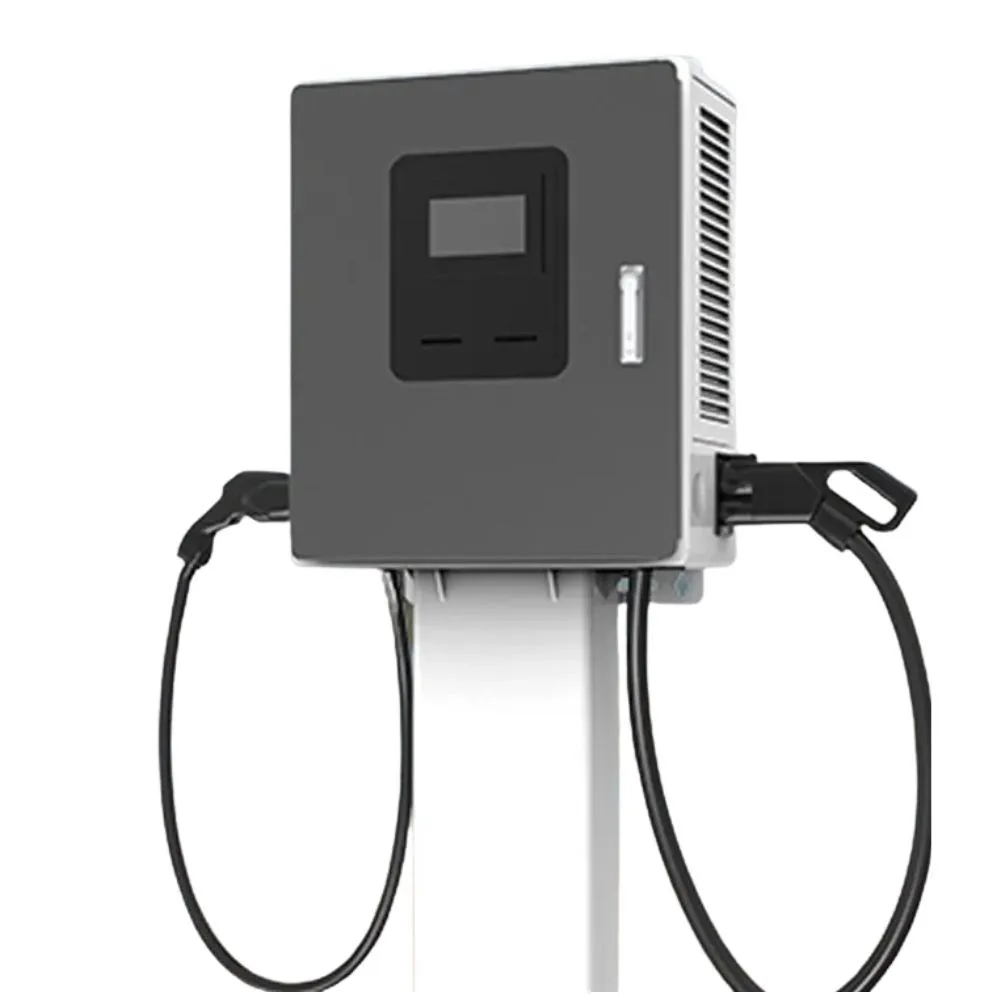
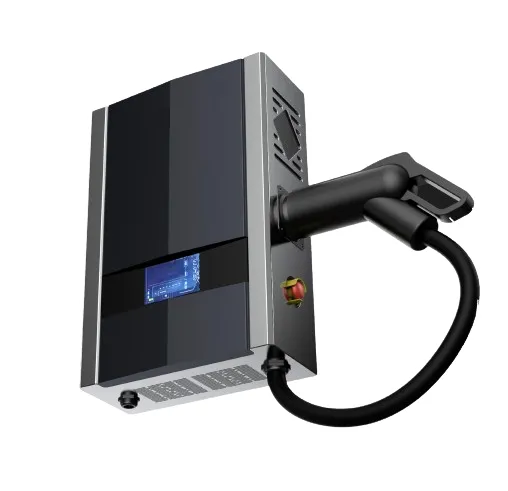
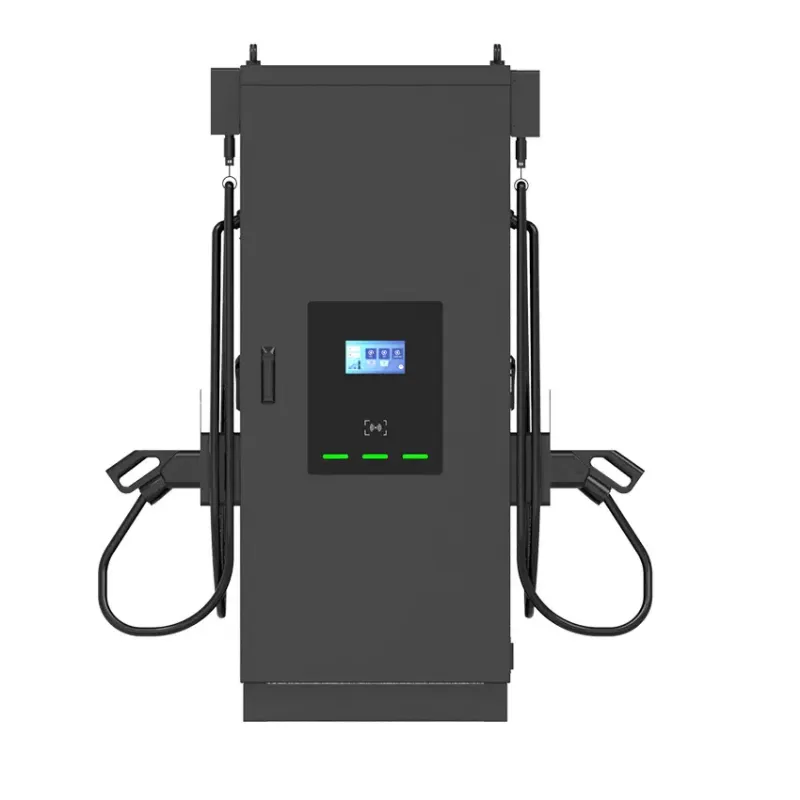
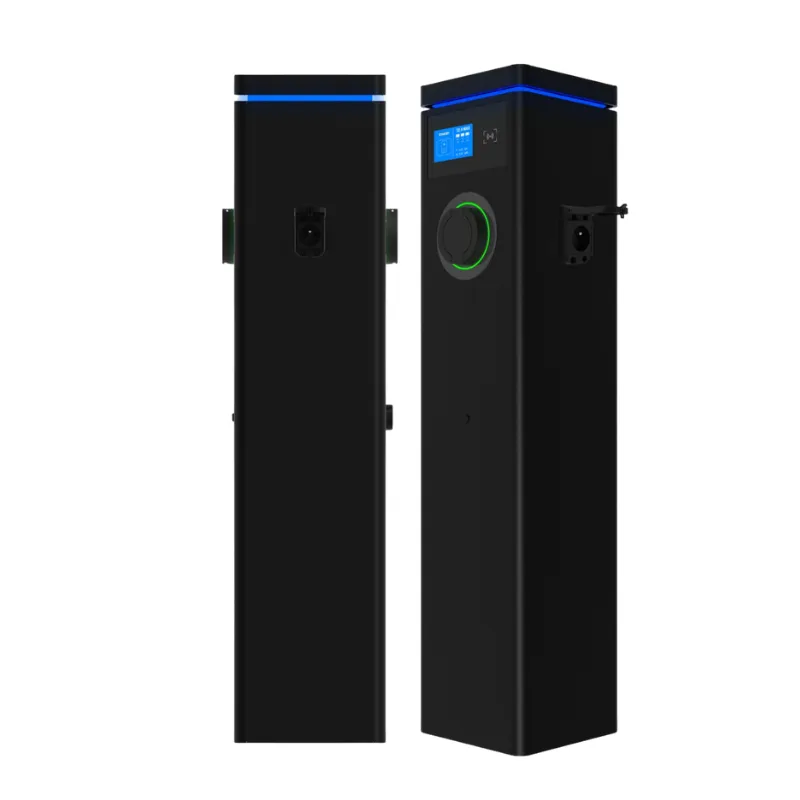
For a highway or town rapid site the HC series (20-60 kW) matches the 60 kW class NEA uses, and the SC series (15-30 kW) suits small three-phase supplies. The CC series fits busier urban sites, and the CPO series gives 2 x 3.7-22 kW AC for hotels and parking. All our units operate up to +55 °C, which helps in the plains; mountain sites should confirm minimum temperature and altitude derating in writing. We did not find a Nepali certification requirement for chargers and do not claim any approval; we can provide test reports and technical documents to support your own import and utility process. For the standards behind our equipment, see EV charging standards.
Payback calculator
Example values are filled in — replace them with your own quotation, tariff and traffic figures.
- Energy sold per month
- —
- Net margin per month
- —
- Simple payback
- —
Simple payback = total investment ÷ (energy sold × (price − energy cost) − fixed costs), using 30 days per month. Taxes, financing, subsidies and utilisation growth are not included.
Frequently asked questions
- What does a charging station pay for electricity in Nepal?
- A secondary guide that cites the regulator's order (in force since 16 December 2021, checked October 2026) lists Rs 10.30 per unit at normal hours (5 am to 5 pm), Rs 11.70 at peak (5 pm to 11 pm) and Rs 5.15 off-peak (11 pm to 5 am), with no demand charge; a station on the demand tariff pays Rs 220 per kVA per month plus Rs 8.9 per unit. The earlier June 2020 order set Rs 11.20, Rs 10.10 and Rs 4.45 (The Himalayan Times). Confirm the current rate with NEA before you model revenue.
- Can I charge drivers whatever I want?
- The same guide reports the regulator limits the add-on per unit to 20%, giving ceilings of Rs 12.36, Rs 14.04 and Rs 6.18 per unit for normal, peak and off-peak hours. Treat these as ceilings, not prices, and check the original order.
- How much has the state already built?
- NEA opened 51 rapid stations, each with a 142 kW charger set (60 kW DC and 22 kW AC), 50 kVA transformer and capacity for three vehicles (B360 Nepal, 2023), and said it plans 500 more. A June 2025 report counted over 400 operating stations nationwide, but also noted figures do not fully match.
- Which connector should the charger have?
- We did not find a published connector standard for Nepal. Our DC chargers ship with CCS2 or CCS1 and CHAdeMO, and GB/T can be fitted on order. Check which connectors the cars you expect to serve use before ordering.
References
- [1]EV charging cost in Nepal (NEA tariff in force since 16 December 2021). EV News Nepal, checked 14 October 2026.
- [2]Electricity regulatory body releases new power tariff rates. The Himalayan Times, June 2020.
- [3]51 charging stations installed by NEA come into operation. B360 Nepal, 7 September 2023.
- [4]NEA, Nepal Police sign agreement to build charging stations. The Himalayan Times, 23 August 2022.
- [5]Nepal's EV transition: progress, policies and persistent challenges. B360 Nepal, 10 June 2025.
- [6]Excise duty scrapped on EVs, 20% customs duty introduced with clean infrastructure levy. Nepal Drives, 29 May 2026.