Market guide
EV Charging Station Business in Malaysia: TNB Supply and Rules
EV charging station business Malaysia guide: Energy Commission licence (30-day target), 5,360 licensed chargers vs a 10,000 goal, TNB RP4 demand charges.
- Prepared by
- EVCSTAR Engineering Team
- Published
- Reading time
- 4 min
- Sources
- 6 references
At a glance
- Licensed public chargers (Nov 2025)
- 5,360
- Of which DC fast
- 1,791
- Goal for end-2025
- 10,000 chargers
- EVCS licence processing
- 30 days (was 60)
Key takeaways
- 1Any charger that other people can use, whether free or paid, needs an Energy Commission (Suruhanjaya Tenaga, ST) EVCS licence; the commission says it cut approval from 60 to 30 days, with approvals often within two weeks, and one licence covers all chargers behind one EV meter.
- 2Malaysia had 5,360 licensed public chargers (3,569 AC, 1,791 DC) in November 2025 against a goal of 10,000 by end-2025, so the supply gap is real and fast DC is where it is widest.
- 3CBU electric-car tax exemptions were not extended past January 2026, but CKD exemptions run to 31 December 2027, and the government said in August 2026 that it is studying an EV levy to fund public charging.
- 4Under the RP4 tariff reset (non-domestic rates from 1 July 2025) a fast-charging site on medium voltage pays a per-kW maximum-demand charge that a vendor summary puts at RM89.27/kW, so power management decides the margin.
On this page
Short answer: an EV charging station business in Malaysia starts with an Energy Commission licence and a TNB supply application, and the commercial case rests on a thin public network: 5,360 licensed chargers in late 2025 for a market that registered 26,928 electric cars by September 2025.
The licence comes first, and it follows the meter
If anyone outside your own company can use the charger, it is a licensed public EVCS. The Energy Commission (ST) puts third-party chargers open to the public, customers or employees in the licensed category whether or not they charge a fee, and exempts chargers owned and operated by one entity for its own vehicles (a home charger, a company fleet). The unit that counts is the meter: Level 1, Level 2 and DC chargers on a single EV meter need one licence, while three separately metered chargers need three. Licensed units carry an ST sticker with a QR code on the terminal.
| Situation | Licence needed? |
|---|---|
| Your own fleet depot, your vehicles only | No (private) |
| Operator-run chargers in a mall car park | Yes, one per EV meter |
| Free guest charging at a hotel or office | Yes, if others use it |
The commission has said its licence is about safety and technical matters, not tariffs or economic regulation (reported 2022), so price per kWh is left to you.
A network that is half the size of the plan
The Low Carbon Mobility Blueprint 2021-2030 asked for 10,000 public charging bays by end-2025 and the country did not get there. Counts differ by source and date: the Energy Commission figure quoted by iMoney (2026) is 5,619 bays (1,898 DC, 3,721 AC); the ST figure from November 2025 is 5,360 licensed chargers (1,791 DC fast, 3,569 AC); MITI cited about 5,624. iMoney estimates about one charge point per 15 EVs in Malaysia, against about one per three in Singapore. Kuala Lumpur has the most licensed operators (579) and Terengganu the fewest (22).
The sales side moved fast: 26,928 electric cars registered by September 2025 (21,789 in all of 2024), and 5,633 in March 2026 alone, up 118% year on year. Analysts quoted by the New Straits Times name grid capacity as the main constraint for DC, and high-rise buildings, home to 40-45% of the Klang Valley population, need building management approval for any charger.
Incentives are shifting from cars to charging
The tax break that sold imported EVs has ended, and the policy conversation has moved to who pays for chargers. CBU exemptions (import duty, excise duty, sales tax) ran for four years at a forgone RM3.3 billion; they were not extended past January 2026, and CKD exemptions continue to 31 December 2027. On 4 August 2026 the investment minister told the Dewan Negara that industry investment in charging “was simply not there” and that the government is studying a levy on each EV sold to fund public charging. Treat that as a proposal, not law.
Older MITI material refers to investment tax allowances for charging operators (reported as 100% for five years) and a green-technology services allowance; we could not confirm their current status, so check with MIDA or a tax adviser before you model them. A first highway-integrated charging hub is expected by March 2027 per iMoney, which hints where the government wants capacity.
Reading the TNB bill
In Peninsular Malaysia, RP4 (2025-2027) replaced the old commercial and industrial categories with general and time-of-use tariffs at low, medium and high voltage. The mytnb page lists those six non-domestic categories, a weekday peak of 2 PM to 10 PM, and says off-peak maximum demand is not charged on MV and HV time-of-use tariffs. A vendor summary of the 1 July 2025 rates (not TNB’s own page, so verify) gives medium-voltage general energy at 29.83 sen/kWh with maximum demand of RM89.27/kW and a RM200 monthly retail charge; the time-of-use version is 31.32 sen peak, 27.23 off-peak, RM97.06/kW. Sabah and Sarawak have separate utilities and schedules.
What that means for a fast-charging site: a few drivers charging at once set a 30-minute peak, and that peak is billed per kW all month. Size the connection and the load cap with the grid capacity calculator and read our demand charges guide. A monthly Automatic Fuel Adjustment is added on top.
Which equipment fits Malaysian sites
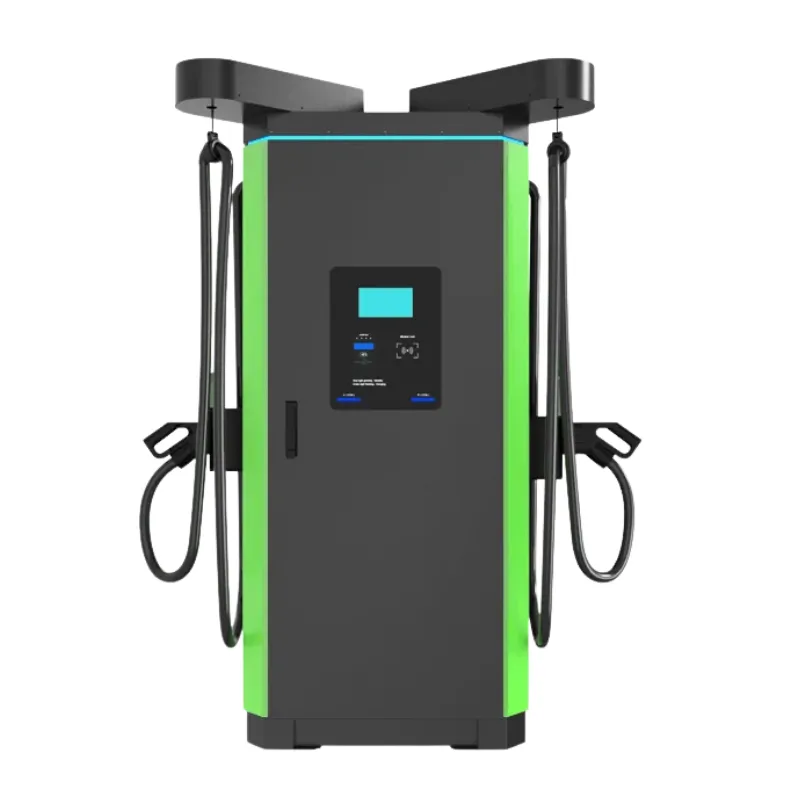
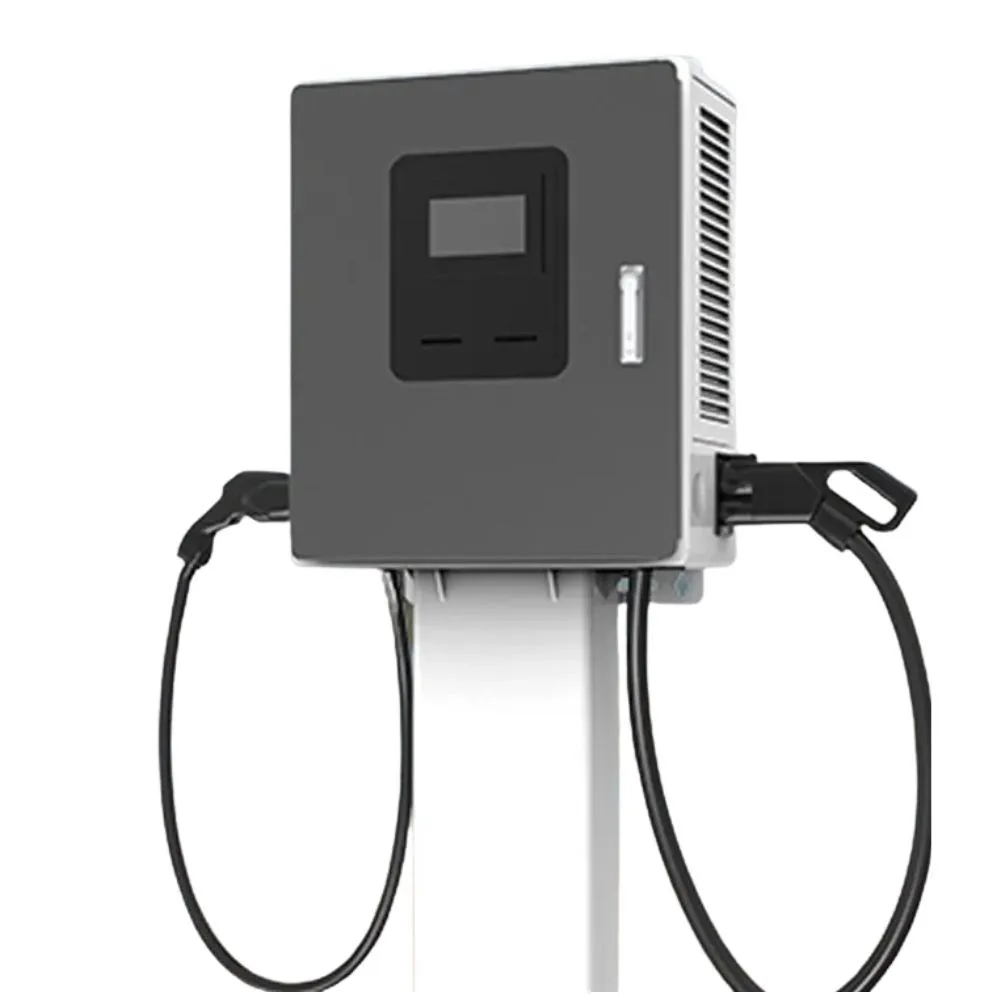
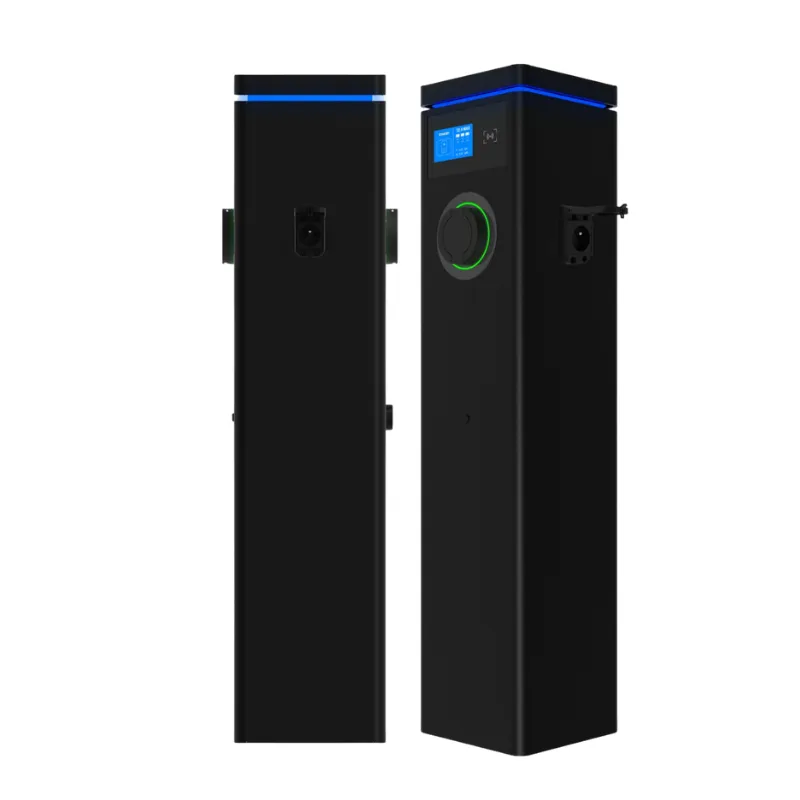
Use DC where dwell time is short and AC where cars sit for hours. Highway rest areas and retail forecourts need the UC series (60-360 kW; the 360 kW cabinet has two guns, each CCS gun limited to 200 A, so one car cannot take the full 360 kW). Mid-power sites such as hotel and mall car parks can use the HC series, and workplaces or condominium car parks suit the dual-gun CPO series. All support OCPP 1.6J and 2.0.1 and run at up to +55 °C, which matters in a tropical climate.
We cannot claim a Malaysian approval for any model; the Energy Commission’s licence criteria and the utility’s own requirements apply to your site, and we can supply technical documents and test reports to support them. Compare the market with the Philippines, another tropical market with a thin public network. To start, send your site’s supply voltage, connection capacity, number of bays and the connector standard you need through the contact page and we will reply with a configuration and quotation breakdown.
Grid capacity calculator
- Spare power for charging
- —
- Input current per charger (400 V)
- —
- Chargers at full power
- —
Spare power = kVA × 0.95 power factor × (1 − margin) − existing peak load. Input current ≈ charger kW ÷ (√3 × 400 V), with power factor and 95 % efficiency added for DC chargers. With dynamic load management more chargers can share the same capacity at reduced power. Always confirm with your electrical engineer and the grid operator.
Frequently asked questions
- Do I need a licence to run chargers in Malaysia?
- If you own and operate chargers only for your own vehicles, such as a company fleet, no EVCS licence is needed. If a third party operates them or the public, customers or staff can use them, with or without a fee, the Energy Commission treats them as public EVCS that must be licensed. Chargers on one EV meter need one licence; chargers on separate EV meters each need their own.
- How fast is the licence?
- The Energy Commission says it shortened processing from 60 days to 30, and approvals often come within about two weeks. That clock starts after your application is complete, so the utility power supply application for the meter should run in parallel.
- Is there a special TNB tariff for EV charging?
- We did not find one on the TNB pages we read. The mytnb page lists general and time-of-use tariffs for low, medium and high voltage, with a weekday peak of 2 PM to 10 PM. Ask TNB which category your meter falls into and run its demand and energy charges through the grid capacity calculator before you fix the site size.
- Which EVCSTAR series suits a Malaysian site?
- It depends on the site. UC or CC suit highway and retail fast-charging, HC suits mid-size DC in a car park, and CPO is a dual-gun AC unit for destinations. Send the voltage, connection size, number of bays and connector standard through the contact page and we will reply with a configuration and quotation breakdown.
References
- [1]Energy Commission clarifies EV charging licence rules (Dec 2025). Lowyat.NET.
- [2]Malaysia's EV boom faces charging infrastructure crunch (20 Nov 2025). New Straits Times.
- [3]Malaysia's EV sales just doubled. So why are there still not enough chargers? (2026). iMoney.
- [4]Govt considers EV levy to fund public charging (4 Aug 2026). Bernama.
- [5]Tariff (non-domestic categories and time-of-use periods). Tenaga Nasional Berhad.
- [6]TNB tariff 2026: RP4 rates for Peninsular Malaysia. Trexon (vendor summary).