Standards guide
EV Charging Standards Explained: IEC, OCPP, ISO 15118, UL and CE
What IEC 61851, IEC 62196, OCPP, ISO 15118, CE, UKCA, UL 2594, UL 2202, ETL and ENERGY STAR mean for buyers of AC and DC EV chargers.
- Prepared by
- EVCSTAR Engineering Team
- Published
- Reading time
- 4 min
- Sources
- —
Key takeaways
- 1IEC 61851 defines how charging works (modes 1–4); IEC 62196 defines the plugs and sockets (Type 1, Type 2, CCS1, CCS2).
- 2OCPP is the language between the charger and your management software — 2.0.1 adds security profiles, better smart charging and ISO 15118 support.
- 3Europe needs CE marking (UKCA in Great Britain); North America needs a listing from a recognised lab such as UL or Intertek (ETL) to UL 2594 for AC and UL 2202 for DC.
- 4Billing by the kWh usually requires a certified meter: MID in the EU, plus Eichrecht in Germany.
On this page
Short answer: a charger has to meet three groups of rules — how it charges (IEC 61851), what plug it uses (IEC 62196 or SAE J1772 / J3400), and how it talks to software (OCPP, ISO 15118). On top of that comes the market approval: CE or UKCA in Europe, a UL or ETL listing in North America.
Charging modes and safety: IEC 61851
IEC 61851-1 sets the general safety and functional requirements for conductive charging and defines four charging modes:
| Mode | What it is | Typical product |
|---|---|---|
| Mode 1 | Direct connection to a household socket, no protection in the cable | Light vehicles only — not used for cars in most markets |
| Mode 2 | Household or industrial socket with a control and protection box in the cable | Portable chargers such as the AM Series |
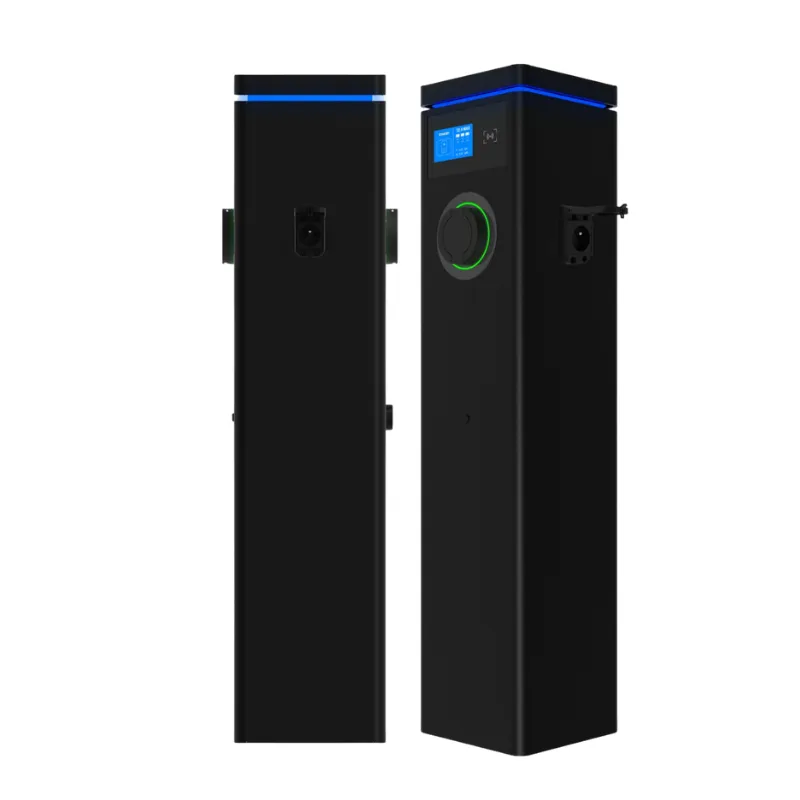
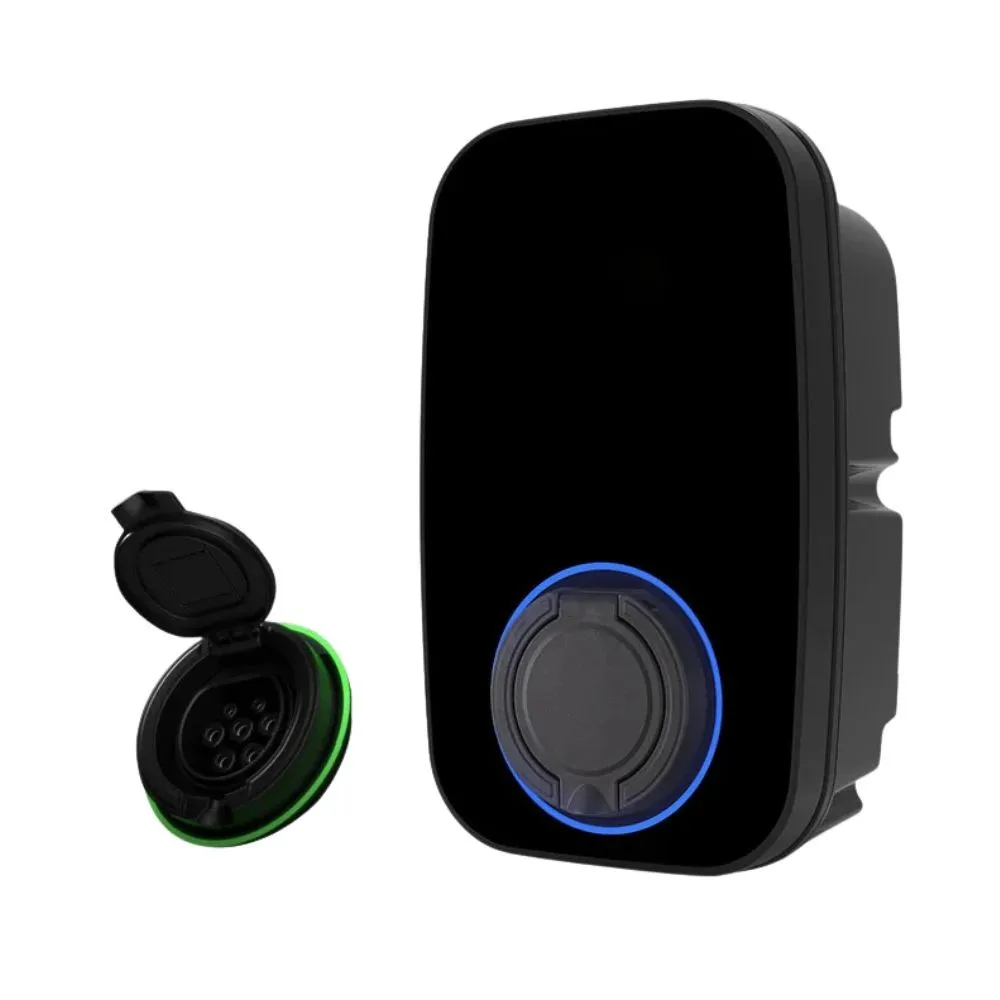
| Mode 3 | Dedicated AC charging equipment with control pilot communication | Wallboxes and AC pedestals (FE, CPO) |
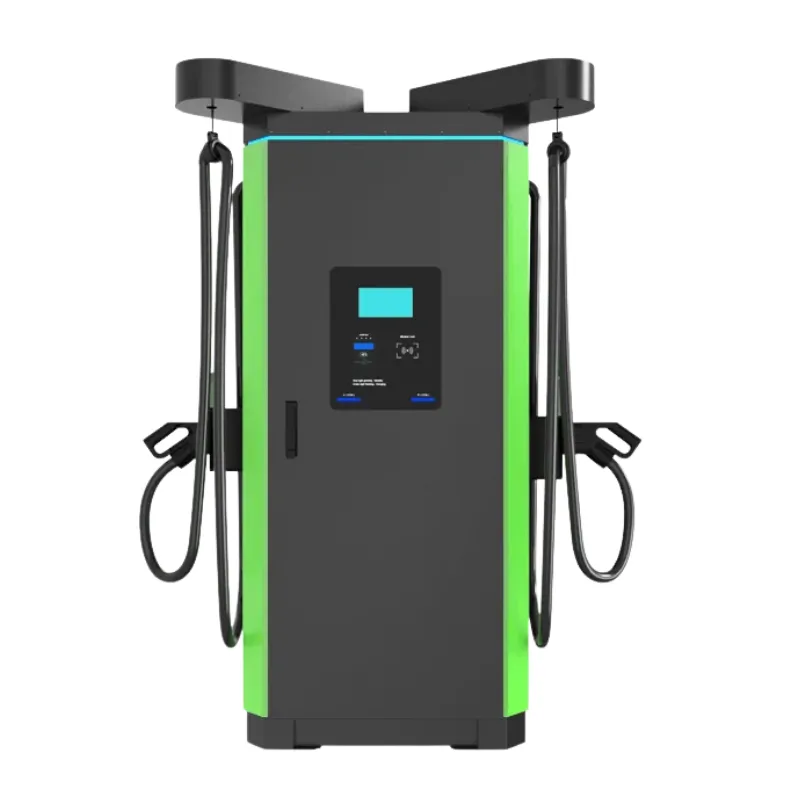
| Mode 4 | DC charger with the power conversion outside the vehicle | All DC series (UC, CC, HC, SC, MC) |
IEC 61851-23 adds the specific requirements for DC charging stations — insulation monitoring, isolation, emergency stop and the communication with the vehicle before power flows.
Leakage protection. AC chargers need protection against both AC and smooth DC fault currents. A common solution is a 30 mA Type A RCD combined with 6 mA DC fault detection inside the charger; the alternative is a Type B RCD.
Plugs and sockets: IEC 62196, SAE J1772 and J3400
| Connector | Current | Main markets | Standard |
|---|---|---|---|
| Type 2 | AC, up to 3-phase | Europe, UK, Australia, much of Asia and the Middle East | IEC 62196-2 |
| CCS2 | AC + DC | Same markets as Type 2 | IEC 62196-3 |
| Type 1 | AC, single phase | North America, Japan, Korea | SAE J1772 / IEC 62196-2 |
| CCS1 | AC + DC | North America, Korea | SAE J1772 / IEC 62196-3 |
| NACS | AC + DC | North America (growing) | SAE J3400 |
| CHAdeMO | DC | Japan; older vehicles elsewhere | IEC 62196-3 |
| GB/T | AC / DC | China | GB/T 20234 |
For a new public site, choose the connector set your local vehicle fleet uses. In Europe that is CCS2 for DC and Type 2 for AC; in North America, CCS1 today with NACS increasingly requested.
Communication: OCPP and ISO 15118
OCPP (Open Charge Point Protocol) connects the charger to the charge point management system (CSMS) — for start and stop, pricing, remote diagnostics, firmware updates and smart charging. Version 1.6J (JSON) is the most widely deployed; version 2.0.1 adds a structured device model, three security profiles with certificate-based authentication, better smart charging and support for ISO 15118.
ISO 15118 is the communication between the vehicle and the charger. ISO 15118-2 enables Plug & Charge — the car identifies itself and pays automatically, without an RFID card or app. ISO 15118-20 extends this, including the messages needed for bidirectional charging.
Market approval
Europe and the UK
- CE marking shows conformity with EU directives — for chargers mainly the Low Voltage Directive (2014/35/EU), the EMC Directive (2014/30/EU), RoHS, and the Radio Equipment Directive (2014/53/EU) when Wi-Fi or 4G is fitted.
- UKCA is the equivalent marking for Great Britain.
- TÜV and similar bodies test products and issue test reports and certificates that support the CE declaration.
- MID (Measuring Instruments Directive 2014/32/EU) applies to meters used for billing by the kWh. Germany additionally requires calibration-law compliance (Eichrecht).
North America
- UL 2594 covers AC electric vehicle supply equipment; UL 2202 covers DC charging system equipment; UL 2231 covers personnel protection systems.
- A product is listed when a Nationally Recognized Testing Laboratory such as UL or Intertek (ETL mark) has tested it to these standards. In Canada the equivalent standards are CSA C22.2 No. 280 and No. 281.
- ENERGY STAR certification for EV chargers is about efficiency, particularly low standby power.
- Installation follows the National Electrical Code (NEC Article 625) in the US.
How EVCSTAR chargers line up
| Requirement | EVCSTAR range |
|---|---|
| Charging modes | Mode 2 (AM), Mode 3 (FE, CPO), Mode 4 (UC, CC, HC, SC, MC) |
| Connectors | Type 2, CCS2, CHAdeMO for Europe; Type 1, CCS1, NACS for North America |
| Back-end | OCPP 1.6J and OCPP 2.0.1 on every series |
| Vehicle communication | ISO 15118 listed for the DC platform |
| Market standards | Built to CE, UKCA and TÜV requirements for Europe; ETL and ENERGY STAR for North America |
| Billing meter | MID-certified meter available on commercial AC |
Ask for the certificate or test report that matches the exact model and market you are buying for — standards are applied model by model, not to a brand as a whole.
Frequently asked questions
- Is ETL the same as UL?
- Both are marks from Nationally Recognized Testing Laboratories in the US. An ETL-listed charger has been tested by Intertek to the same UL standards (for example UL 2594) that a UL-listed charger is tested to; inspectors accept either.
- Do I need OCPP 2.0.1, or is 1.6J enough?
- OCPP 1.6J is still the most widely supported version and works for most sites. Choose 2.0.1 if your back-end supports it and you need stronger security profiles, ISO 15118 Plug & Charge or more detailed device management. EVCSTAR chargers support both.
- What is the difference between Type 2 and CCS2?
- Type 2 is the AC connector used in Europe. CCS2 adds two large DC pins below the Type 2 shape, so the same vehicle inlet accepts both AC and DC charging.