Market brief
EV Charging in North Macedonia: Rules, Tariffs and Transit Routes
EV charging North Macedonia guide: about 300 electric cars, mostly slow AC public points, EVN tariffs in MKD, first 50 kW DC sites and what is still open.
- Prepared by
- EVCSTAR Engineering Team
- Published
- Reading time
- 4 min
- Sources
- 5 references
At a glance
- Registered electric cars
- ~300 (press)
- EVN network
- 18 cities
- Taxi EV subsidy (2025)
- 15% for 200 cars
- Bus tender
- 150 buses, 75 chargers
Key takeaways
- 1North Macedonia is an early-stage market: press reports put registered electric cars at about 300 and the public network at a few dozen points, mostly slower AC, so there is little local demand data to underwrite a large DC site.
- 2The incumbent is the utility-owned EVN Macedonija, with chargers in 18 cities; its published price list is a useful floor reference (AC 0.83 MKD/min after 240 free minutes, DC 1.7 MKD/min after 60 free minutes, as an idle-time fee).
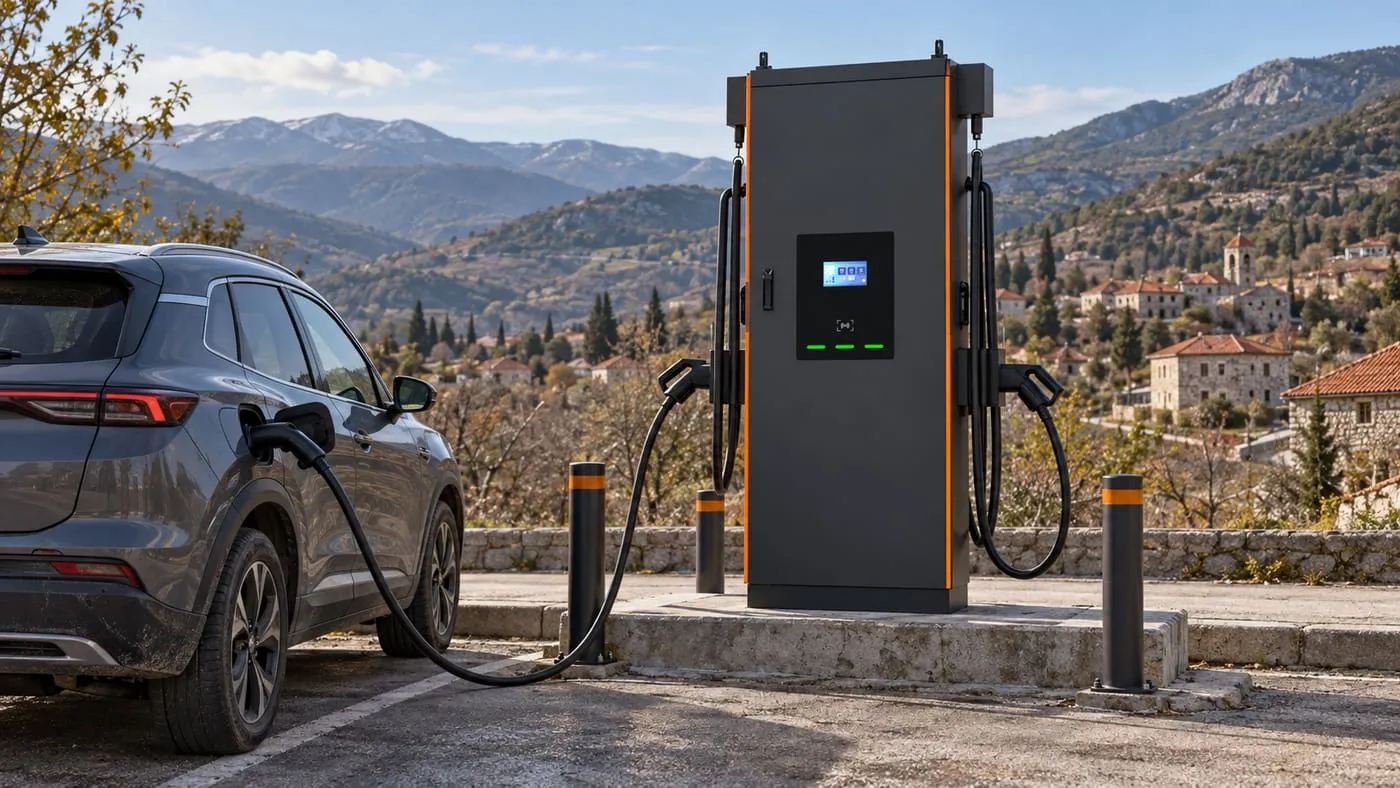
- 3Fast DC has just started: Charge&GO opened a 50 kW charger at an Oktan fuel station in Ržaničino and said it would expand DC. Corridor-style sites on the Skopje routes are where first-mover advantage is still available.
- 4Public money so far goes to vehicles and fleets (a 15% ministry subsidy for 200 taxis announced 2025, and a tender for 150 electric buses and 75 charging stations), not to private charging stations, as far as we could verify.
On this page
Short answer: EV charging in North Macedonia is a market to enter early and small, not a market to enter big. With roughly 300 registered electric cars and a public network of a few dozen mostly slow points, a first DC site at a fuel station or on a Skopje transit route can be the area’s best charger, but the owner should size capital to match thin demand.
Where the market stands
The fleet is tiny, and the data are thin. An Energetski portal report puts registered electric cars at about 300 and calls the public network “a few dozen”, mostly slower AC. We did not find an official registry count or a fresh public-charger census, so numbers here should be re-checked before you commit. The nearest official indicator of intent is policy: in September 2025 the Ministry of Environment and Spatial Planning and a taxi association signed a memorandum to subsidise the first 200 electric taxis, at about 15% of an average EUR 28,000 price. Skopje taxis run 3,000 to 4,000 vehicles daily, so this is a demand source worth watching (Balkan Green Energy News, 2025).
Who already operates chargers
EVN Macedonija is the incumbent, and a competitor to price against. The utility-owned operator started its e-mobility network in 2018 with more than 40 charging points planned across 17 cities, free for the first year (EVN, 2018). Today it says it has chargers in 18 cities, payable by EVN card or bank card. A second entrant, Charge&GO, announced a 50 kW DC charger at an Oktan fuel station in Ržaničino, supplied by ABB, with a plan to expand fast DC.
| Operator | What we verified |
|---|---|
| EVN Macedonija | Chargers in 18 cities; card or direct payment |
| Charge&GO | First 50 kW DC at Oktan, Ržaničino; expansion planned |
| Public bus tender | 150 electric buses, 75 charging stations (Ministry of Transport) |
Tariffs as a benchmark
EVN publishes idle-time fees, not a kWh price we can quote with confidence. Its tariff page lists a blocking fee after the free window: AC chargers 0.83 MKD per minute from minute 241 (first 240 minutes free), DC chargers 1.7 MKD per minute from minute 61. The page also announced a new DC tariff from 1 May 2025 but shows the values only as an image, so we cannot quote it. A 2023 price list reported elsewhere had per-kWh prices; those are old and are not reproduced here. Fees apply only at EVN stations. For your own site, set a kWh price from the local household tariff plus margin, and test it in the payback calculator.
Rules and the regulator
The Energy Regulatory Commission is the energy regulator, but we found no EV-specific rule. ERC regulates electricity, gas, heating, renewables, water and waste; its website lists a transmission and distribution fee of 2.0339 MKD/kWh among its published prices, and does not mention electric vehicles. Whether a charging operator needs a licence, how the electricity resale is treated, and which authority approves a connection above a few dozen kW are questions we could not answer from public sources. Put them to the ERC, the Ministry of Economy and the distribution company before buying equipment. North Macedonia is an EU candidate; check which EU product requirements (CE, MID metering) the customs and inspection authorities apply to imported chargers.
Where an early DC site makes sense
Pick sites with existing traffic, power and a reason to stop.
- Fuel stations on the Skopje–Tetovo, Skopje–Veles and Skopje–Kumanovo approaches, where Charge&GO has already shown the model works; a second 60–120 kW unit beyond that gives drivers a choice.
- Hotels, malls and municipal car parks in Skopje, Ohrid and Bitola, with AC 7–22 kW for dwell time.
- Taxi and fleet depots if the 200-taxi plan goes ahead: predictable overnight and midday demand.
- Bus depots once the 150-bus tender is awarded; check the tender documents for who supplies the 75 chargers.
How EVCSTAR equipment fits
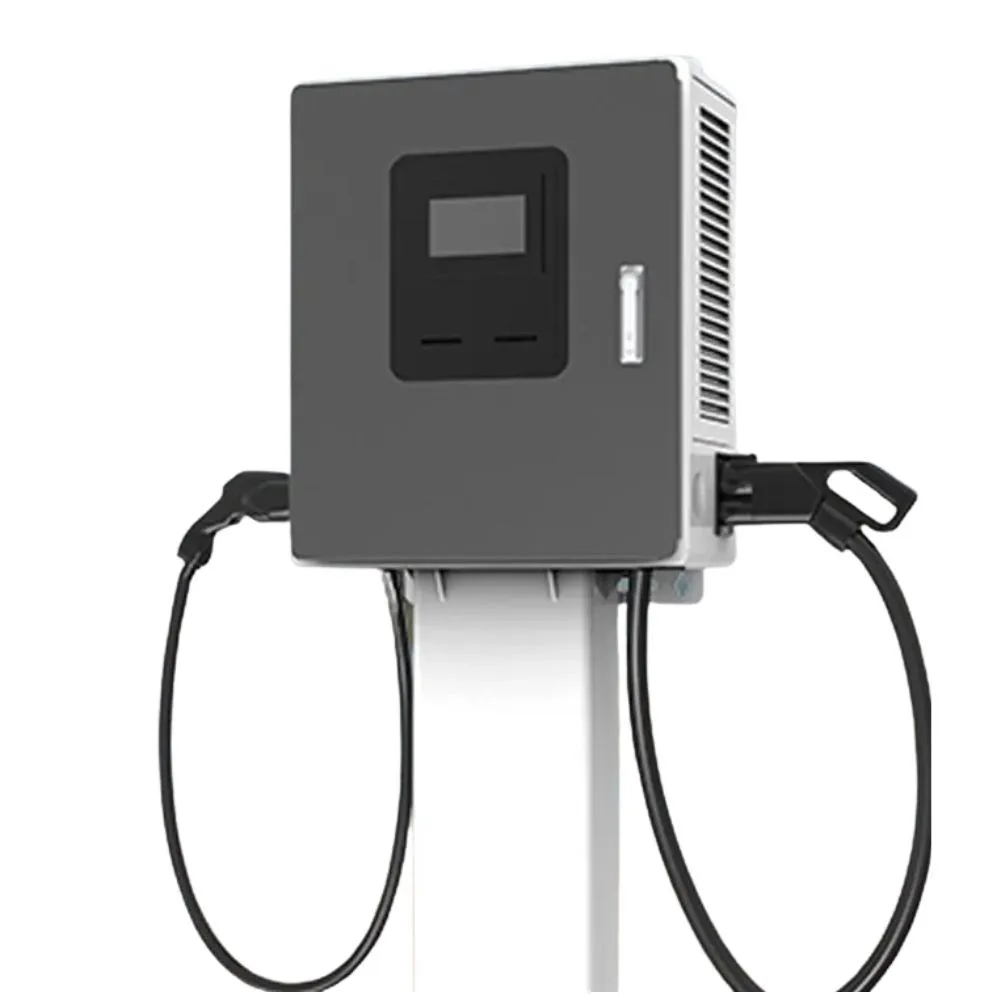
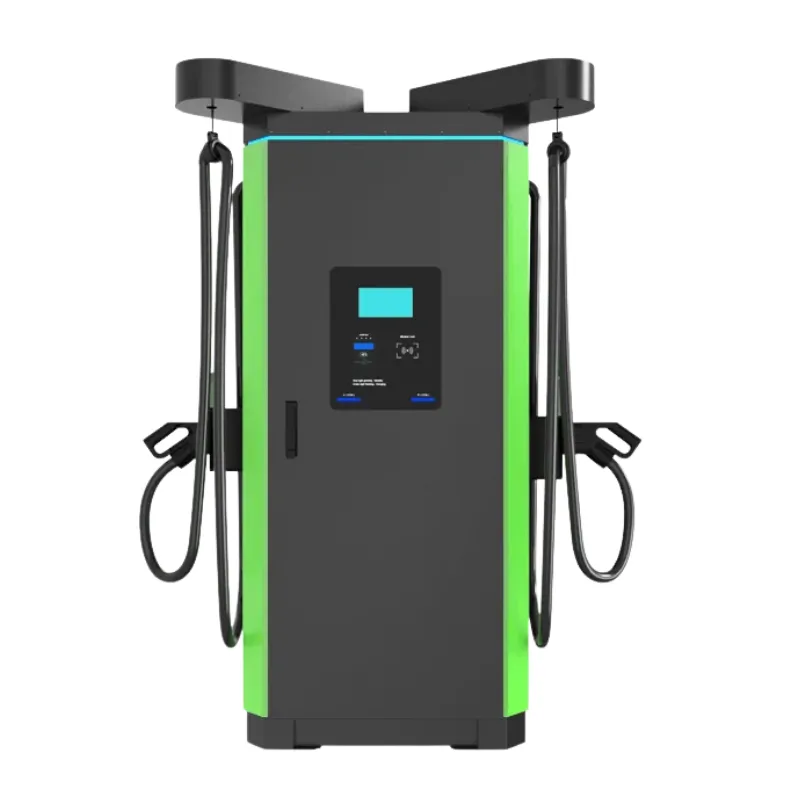
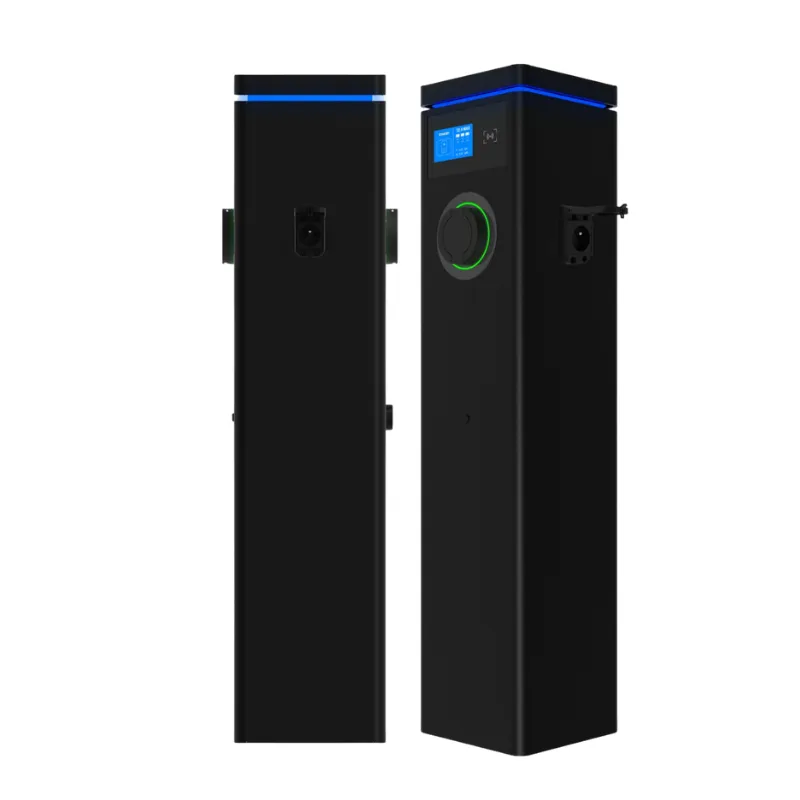
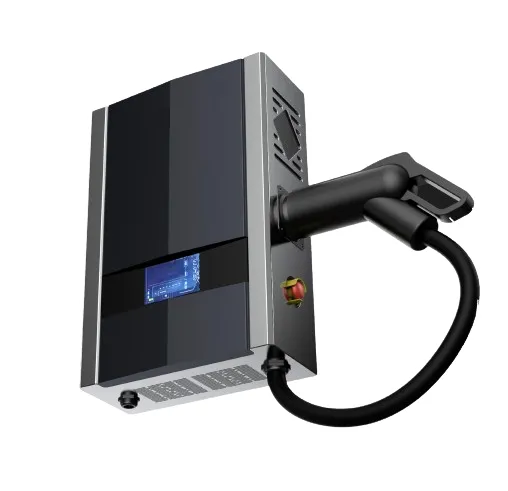
For a market with few cars, start with the smallest DC that earns money: the SC series (15–30 kW) or HC series (20–60 kW) wall or pole units, and the UC series only on a proven transit site. For hotels and car parks use CPO (2 x 3.7–22 kW). Our chargers work up to +55 °C and support OCPP 1.6J and 2.0.1, so they work with the common back-office platforms. We can supply test reports and technical documents for your local approval and grid application; we do not state that a model already holds a local certificate. See standards.
Payback calculator
Example values are filled in — replace them with your own quotation, tariff and traffic figures.
- Energy sold per month
- —
- Net margin per month
- —
- Simple payback
- —
Simple payback = total investment ÷ (energy sold × (price − energy cost) − fixed costs), using 30 days per month. Taxes, financing, subsidies and utilisation growth are not included.
Frequently asked questions
- How many EV chargers does North Macedonia have?
- We could not find an official count. An Energetski portal report describes public chargers as a few dozen, mostly slower AC units, and EVN says it has installed chargers in 18 cities. Treat both as approximate and ask the operators for current numbers before sizing a business case.
- Who regulates EV charging prices?
- We found no regulator decision on charging tariffs. The Energy Regulatory Commission (ERC) publishes regulated grid and household tariffs, but its site does not mention EV charging. The EVN Macedonija price list is set by EVN for its own stations. Confirm with the ERC and the Ministry of Economy how an independent operator is licensed and whether it needs an energy licence.
- Is there a subsidy for building charging stations?
- We did not find one for private operators. What we verified is a September 2025 memorandum where the Ministry of Environment and Spatial Planning covers about 15% of the price of the first 200 electric taxis in Skopje, and a ministry tender for 150 electric buses and 75 charging stations. Ask the Ministry of Environment about any charging-side programme.
- Which connector should I choose?
- Europe-wide practice is Type 2 for AC and CCS2 for DC, and the fast chargers now being installed in the region follow it; confirm the standard applied by the local authority at your site. Our chargers support OCPP 1.6J and 2.0.1 and operate up to +55 °C.
References
- [1]EVN Macedonija e-mobility: tariffs. EVN Macedonija.
- [2]Electromobility with EVN. EVN Macedonija.
- [3]World Electric Vehicle Day: region needs a broader charger network. Energetski portal (date not shown on the page we read).
- [4]North Macedonia to subsidise electric taxis. Balkan Green Energy News, 12 September 2025 (updated 2 June 2026).
- [5]Energy Regulatory Commission of the Republic of North Macedonia. ERC.