Market guide
EV Fast Charging in Canada: Provincial Programs and Cold-Weather Siting
EV fast charging station Canada commercial guide: 8,431 DC fast ports in 2026, ZEVIP 50% cost share to $2m, a paused 2026 sales target, CSA C22.2 No. 346.
- Prepared by
- EVCSTAR Engineering Team
- Published
- Reading time
- 4 min
- Sources
- 5 references
At a glance
- Public DC fast ports (Mar 2026)
- 8,431
- DC fast port growth, 12 months
- ~33.6%
- ZEVIP cost share / cap
- 50% / $2m
- New ZEV registrations, Q3 2025
- 9.4%
Key takeaways
- 1NRCan data (March 2026) lists 39,654 public ports at 14,743 locations, of which 8,431 are DC fast ports at 2,706 stations; DC fast ports grew about 33.6% in a year, while total ports grew 17.4%.
- 2Federal ZEVIP money covered up to 50% of project cost (capped at $2 million per project, 75% for Indigenous applicants), but NRCan now shows every stream closed and the program ends on 31 March 2027, so plan the business case without a grant.
- 3Demand is softer than it was: new ZEVs were 9.4% of registrations in Q3 2025 against 15.7% a year earlier, and Ottawa paused the 2026 sales target in September 2025 while keeping 2030 and 2035.
- 4DC chargers sold in Canada follow CSA C22.2 No. 346 (harmonized with UL 2202), so a North American build is the relevant one: 480 V input and CCS1, with NACS now spreading across networks.
On this page
Short answer: an EV fast charging station business in Canada rests on a network that is still adding DC ports quickly (about a third more in the year to March 2026) but without the federal grant money that earlier sites relied on and with a car market that cooled in 2025. Sites need to pay back on utilisation, so site choice and power rating matter more than headline kW.
A network growing faster than the cars
DC fast ports are the fastest-growing slice. NRCan’s locator, as reported by Electric Autonomy in April 2026, listed 39,654 public ports at 14,743 locations: 31,172 Level 2 and 8,431 DC fast across 2,706 stations. A year earlier there were 6,309 DC fast ports. Tesla has the most (2,892), then The Electric Circuit (1,395), FLO (1,022) and BC Hydro (684). Some networks are missing from NRCan’s database, so the true count is higher.
| Network | DC fast ports (NRCan, Mar 2026) |
|---|---|
| Tesla | 2,892 |
| The Electric Circuit | 1,395 |
| FLO | 1,022 |
| BC Hydro | 684 |
| ChargePoint | 594 |
Newcomers named in the same report include Autel, Ford Charge and Loop Global, and Mercedes-Benz opened 48 DC fast ports at six British Columbia sites in January 2026. Competition for good highway and retail locations is already real.
Demand: lower than the 2024 peak, rising again
New ZEV registrations fell sharply in 2025 and then recovered. Statistics Canada counted 45,366 ZEVs in Q3 2025, 9.4% of 484,415 new vehicles, against 15.7% in Q3 2024; Quebec was down 45.7% and British Columbia down 35.6% year on year. The 2026 picture is better: 58,811 new ZEVs in Q2 2026, the highest quarter since Q4 2024, and 119,694 in January to July against 93,381 a year before (Statistics Canada, 2026). ZEVs were 3.5% of the 25.3 million registered light vehicles in 2025, so the installed base is still small.
Policy added uncertainty. In September 2025 the federal government removed the 20% 2026 sales target from the EV Availability Standard and opened a review; the 2030 (60%) and 2035 (100%) targets stayed on paper (electrive, 2025). We did not find the review’s outcome. Do not model a business case on a mandate-driven surge.
Money: ZEVIP is closed, so model without it
Federal ZEVIP funded up to half of a project, but its streams are shut. NRCan lists three streams: owners and operators (50% of costs, up to $2 million per project, two proposals per applicant), delivery organizations (50%, up to $5 million, for small projects such as fewer than two fast chargers) and Indigenous organizations (75%, up to $2 million). All show as closed, the program ends on 31 March 2027, and projects above $20 million are redirected to the Canada Infrastructure Bank. Provincial and utility incentives vary by province; this page does not claim a current list. Use the payback calculator with no subsidy as the base case.
Standards and electrical approval
Buy to the Canadian and North American standard, not the European one. CSA C22.2 No. 346:22 governs DC charging equipment (up to 1000 V AC input, 1500 V DC output) and is harmonized with UL 2202; AC equipment sits under CSA C22.2 No. 280 (Standards Council of Canada listing). Provinces enforce the Canadian Electrical Code through their electrical safety authorities, and many require a recognised certification mark or a field evaluation. We did not read the Code text, so ask the authority in your province what they will accept before you order.
Cold, load and connectors
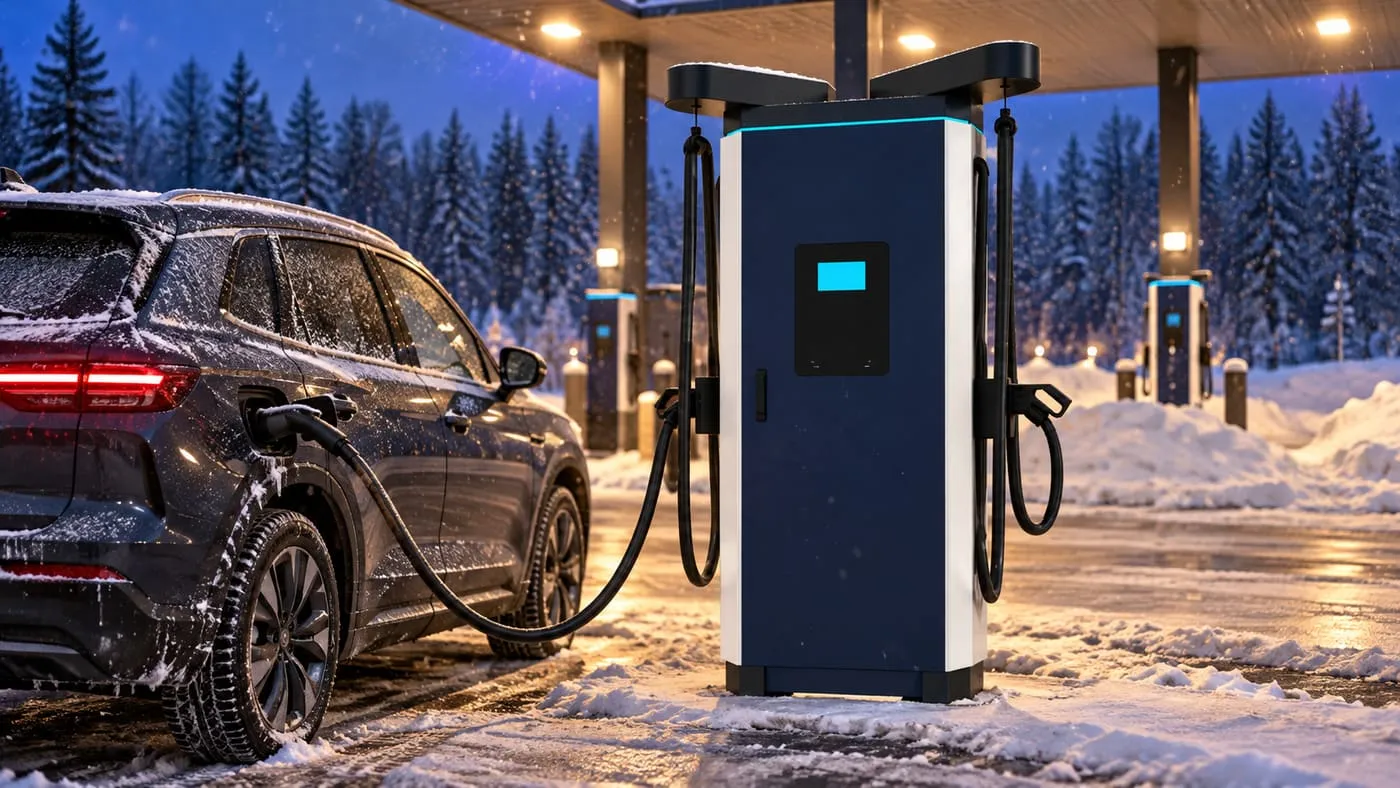
Cold-weather siting is mostly a civil and operations question. Our UC series is rated to operate up to +55 °C; a minimum operating temperature is not published in our product data, so ask for it in writing for any site that sees severe winters. Plan snow clearance, heated or covered bays, and a service contract. For connectors, NACS and Plug and Charge are spreading across Canadian networks, so budget for the connector mix your customers will have, and size supply with the grid capacity calculator.
How EVCSTAR equipment fits
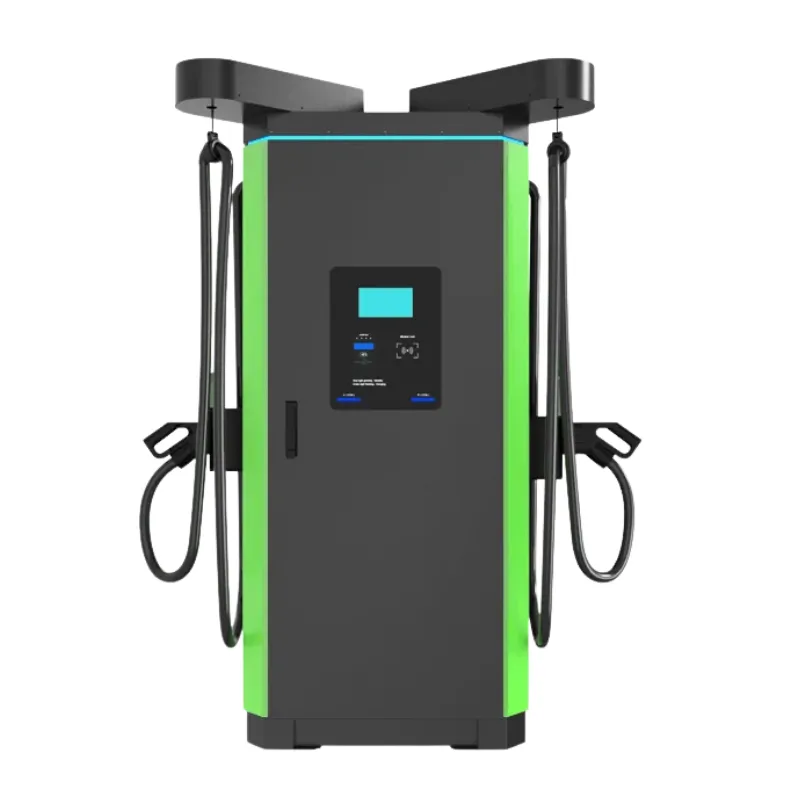
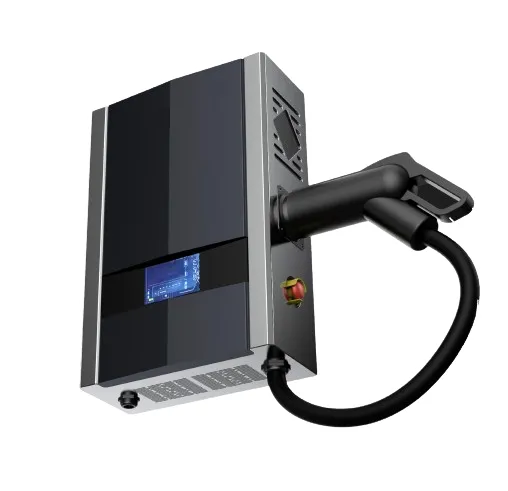
Use a North American build, because Canada runs on 480 V three-phase and CCS1 or NACS. The UC series NA build is a two-gun cabinet with 480 V input and up to 360 kW in total. Each CCS gun is limited to 200 A (about 200 kW at 1000 V), so a single car cannot draw the full 360 kW; the cabinet shares power between two bays. For sites with a modest supply, the SC series gives 15 to 30 kW DC with a single gun. We can provide test reports and technical documents to support your local certification and utility application; we do not state that any model already holds CSA or provincial approval. Sizing context is in EV charging standards.
Payback calculator
Example values are filled in — replace them with your own quotation, tariff and traffic figures.
- Energy sold per month
- —
- Net margin per month
- —
- Simple payback
- —
Simple payback = total investment ÷ (energy sold × (price − energy cost) − fixed costs), using 30 days per month. Taxes, financing, subsidies and utilisation growth are not included.
Frequently asked questions
- Can I still get federal funding for a DC fast charger in Canada?
- NRCan's ZEVIP page showed all streams as closed when we read it, including a transportation-corridor fast-charging pilot that ran from November 2025 to 20 March 2026 with a notional $9 million. The program is scheduled to end on 31 March 2027. Provincial and utility programs differ and change often; check each before you rely on one.
- What standard must a DC charger meet in Canada?
- CSA C22.2 No. 346 covers DC charging equipment up to 1000 V AC input and 1500 V DC output, edition 2022, harmonized with UL 2202. Installation falls under the Canadian Electrical Code as adopted by each province. We could not open the Code text, so confirm certification and field-approval requirements with the provincial electrical safety authority.
- Is the market still growing?
- Charging is growing faster than the car market. DC fast ports rose about a third in the year to March 2026, but Statistics Canada shows ZEV share of new registrations fell from 15.7% (Q3 2024) to 9.4% (Q3 2025) after the federal purchase rebate was paused. January to July 2026 ZEV sales were 119,694, up from 93,381 a year earlier.
- Which connector do I need?
- Networks are adding NACS connectors and Plug and Charge, and Tesla alone holds 2,892 of the 8,431 DC fast ports. Our North American UC build ships with CCS1, CCS1 plus CHAdeMO, or NACS on request. Decide your mix against the cars you expect at the site.
References
- [1]Zero Emission Vehicle Infrastructure Program. Natural Resources Canada.
- [2]2026 EV charging network report: Steady progress in a transitioning industry. Electric Autonomy Canada, April 2026 (NRCan data).
- [3]New motor vehicle registrations, third quarter 2025. Statistics Canada.
- [4]A pan-Canadian electric feel. Statistics Canada, 2026.
- [5]Canada delays EV sales mandate amid trade pressures. electrive, 9 September 2025.