City guide
Sydney Fast Charging Sites: Ausgrid and Endeavour Areas, Kerb and Hub Sites
EV charging station business Sydney guide: Ausgrid vs Endeavour Energy areas, exempt development vs council DA, strata limits and NSW grants (Round 4, $20M).
- Prepared by
- EVCSTAR Engineering Team
- Published
- Reading time
- 5 min
- Sources
- 5 references
At a glance
- Round 4 fast-charging grants (closed Apr 2026)
- up to $20M
- NSW EV Strategy 2026 funding
- $100M
- EV share of NSW new car sales (2026)
- 15.6%
- Chargers funded across NSW
- 3,300+ at 1,200+ sites
Key takeaways
- 1Two distributors share Greater Sydney: Ausgrid, which has about 800,000 customers with limited home-charging options, and Endeavour Energy, which covers Greater Western Sydney, the Blue Mountains, the Illawarra and the Western Sydney Aerotropolis; the one serving your parcel is who you ask for a connection.
- 2In NSW a charger in a car park, service station, highway service centre or on an existing pole can be exempt development if every standard is met; anything that fails a standard, or any advertising screen in a residential zone, needs another pathway such as a council development application.
- 3NSW funds fast charging: Round 4 of the Drive Electric NSW grants offered up to $20 million and closed on 24 April 2026; the 2026 EV Strategy (April 2026) is backed by $100 million, with more than 3,300 chargers funded across 1,200 sites.
- 4Kerbside and apartment charging is the state's stated gap, so private hubs work best where they serve drivers who cannot charge at home: rideshare, delivery and strata residents.
On this page
Short answer: an EV charging station business in Sydney starts with two lookups, which distributor serves the parcel (Ausgrid or Endeavour Energy) and whether the charger qualifies as exempt development or needs a council development application, and then with a customer: the drivers who cannot charge at home, which is where the NSW government itself says the network is thinnest.
Which wires: Ausgrid or Endeavour Energy
The same city is split between two networks with different footprints. Endeavour Energy’s own description covers the Central West, Blue Mountains, Greater Western Sydney, Southern Highlands, Illawarra and South Coast, including the Western Sydney airport and Aerotropolis and the priority land-release areas of north-west and south-west Sydney. Ausgrid serves the other parts of metropolitan Sydney and says about 800,000 of its customers have limited options for their own EV charging because of no off-street parking, cost, rental agreements and strata restrictions.
| Ausgrid | Endeavour Energy | |
|---|---|---|
| Where to expect it | Inner and metropolitan Sydney, in the parts not covered by Endeavour | Greater Western Sydney, Blue Mountains, Illawarra, Aerotropolis, land-release areas |
| Public EV posture we found | Invites commercial operators to put kerbside chargers on its substations and poles (evci@ausgrid.com.au) | Its page gave no EV information |
| Practical question | Is a kerb or pole site possible, or do you need your own off-street connection? | How much capacity is available on greenfield and growth-area feeders? |
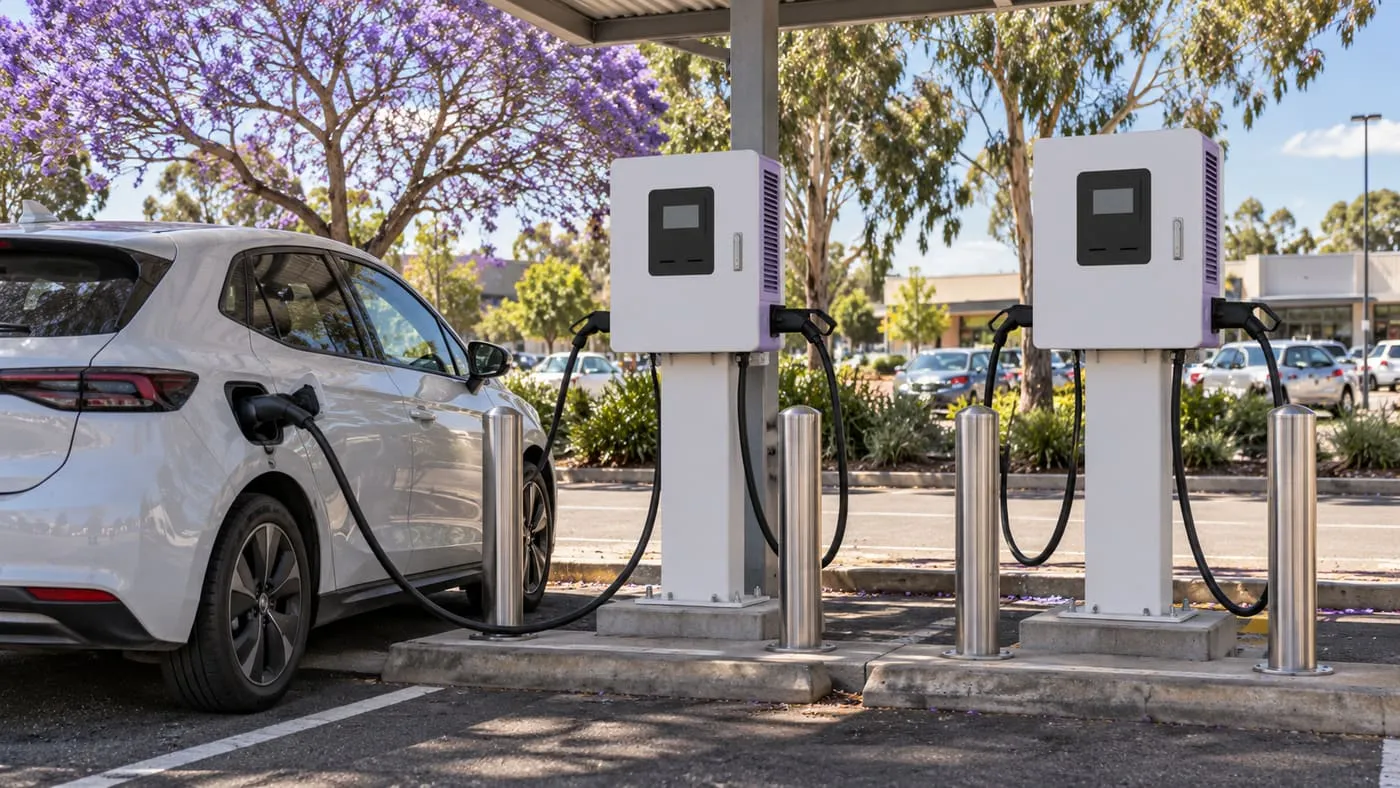
We did not find either distributor’s commercial EV connection tariff or timeline, so ask for a written capacity answer for your exact feeder. The two bodies’ boundary is not a postcode rule; check the address with the distributor. Ausgrid’s own examples show what the kerb can look like: a unit on top of a substation kiosk with two 25 kW DC ports and advertising screens, and a pole-mounted unit with two 22 kW AC ports in Glebe and Merewether. Ausgrid says these systems avoid digging up the road and reduce footpath clutter.
Council approval: exempt development or DA
Where you put the charger decides whether you need a development application. The NSW planning page lists locations where charging units can be exempt development: private homes, bus depots, commercial, public or private car parks, car washing facilities, highway service centres, public administration buildings, road maintenance depots, service stations and existing electricity or light poles. Every development standard must be met, including installation to the manufacturer’s specification and Australian Standards, and the unit in a car park must be next to a parking space and not extend over a public road. On poles, battery storage must not exceed 1 kWh.
| Situation | Pathway on the NSW planning page |
|---|---|
| Car park, service station or highway service centre; all standards met | Exempt development |
| Footpath or road verge | Not exempt; council as public authority only, with a Division 5.1 assessment, at least 30 cm behind the kerb face and clear of hydrants |
| Works in the road reserve | Roads Act s 138 approval |
| Standards not met or other land | Development application (e.g. s 2.124A, 2.124C) |
Two traps. First, you must comply with the conditions of the premises’ latest development consent, so converting required resident or visitor spaces to EV-only bays may breach it; ask council. Second, advertising: exempt units may display signs up to 3 square metres each, contained in the unit and compliant with AS/NZS 4282:2019, but advertising on charging units is not permitted in residential zones. The page notes the rules are amended and recommends a town planner. Use it as a checklist, not as advice.
Strata towers and the missing home charger
Apartment residents are the clearest unmet demand, and the clearest legal complexity. The 2026 NSW Electric Vehicle Strategy names kerbside charging for drivers who cannot charge at home, including apartment residents, as a priority and lists owners’ corporations among the audiences for its information resources; it names no specific strata measure. NSW strata law on EV chargers was changing in 2025, and we could not confirm in-force details from official pages, so check the Strata Schemes Management legislation and NSW Fair Trading before you sell a charging service to a building. For a hub operator the lesson is commercial: sites within walking or short-drive distance of dense apartment areas, with per-kWh pricing below the street’s alternatives, are where the unmet demand sits. Check traffic counts yourself; we have no site-level data.
NSW programs: what is open, what has closed
Funding is real, but rounds open and close. Round 4 of the Drive Electric NSW EV Fast Charging Grants offered up to $20 million for newly constructed fast or ultra-fast stations, opened on 4 December 2025 and closed on 24 April 2026. The aims included filling blackspots across regional and metropolitan NSW and funding projects that would not otherwise have happened. Applicants needed to be an entity incorporated under the Corporations Act or a state-owned corporation, with an ABN, $20 million public liability insurance and workers compensation. The 2026 strategy adds $100 million of backing, a $3 million program for councils to plan public charging, and reports 3,300 chargers funded at 1,200 sites and an EV share of 15.6 per cent of new car sales. Another round is not announced in the pages we read.
Site types that suit Sydney, and the equipment
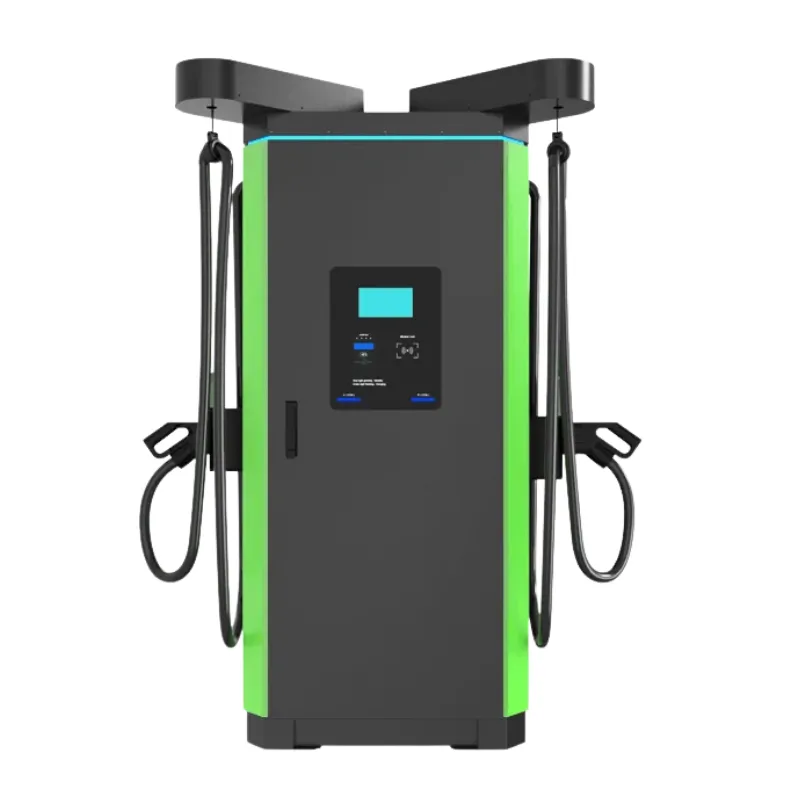
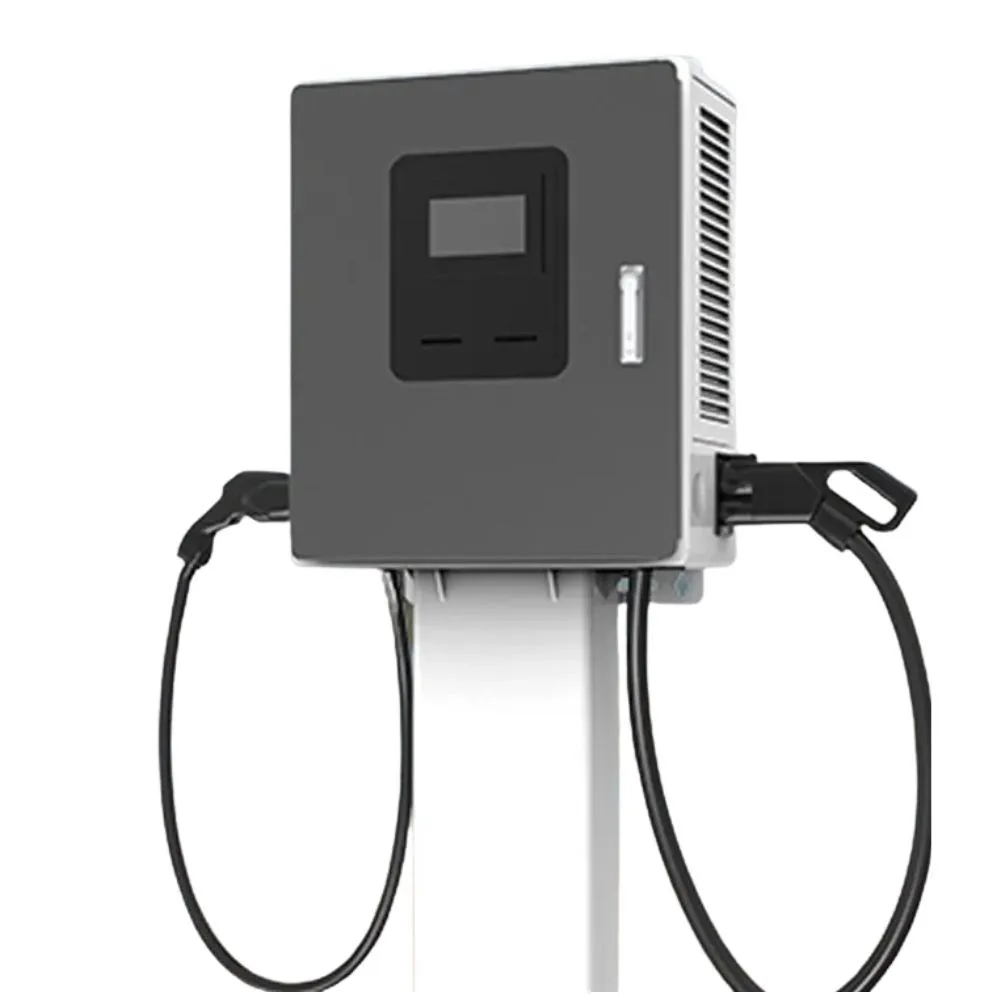
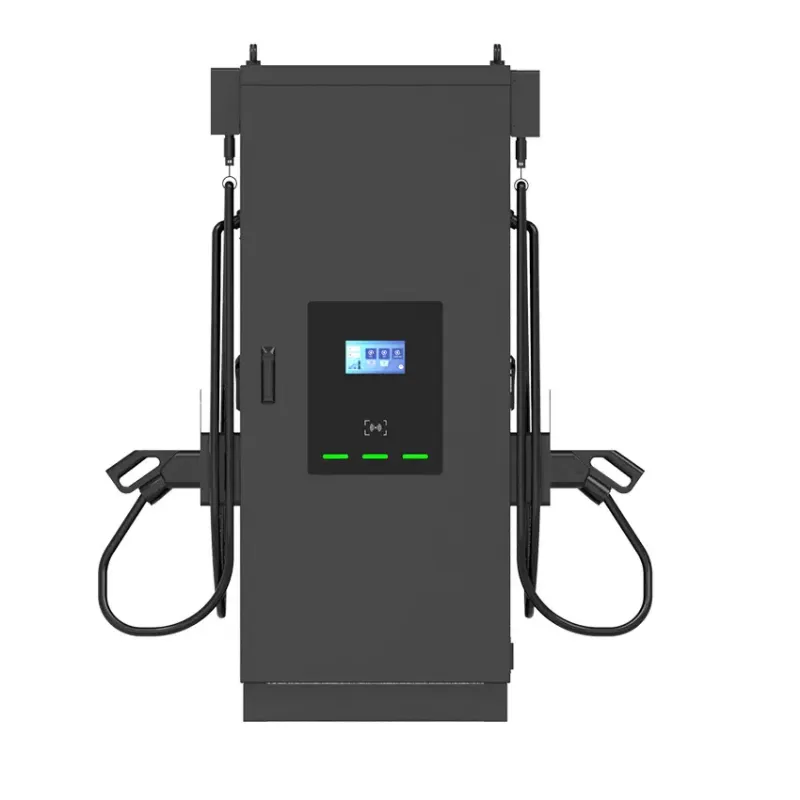
Think hubs for people without driveways, plus fleet and depot charging. The site types the sources support are: car parks adjacent to apartment districts, service stations and highway service centres, depots, and kerb or pole sites in partnership with a distributor. For a hub with fast turnover, the UC series (European build, CCS2, 60 to 300 kW; the larger cabinet is a two-gun unit and one vehicle cannot draw its full rating) suits a destination or arterial site with a strong connection. The CC series (120 and 180 kW) and the HC series (20 to 60 kW) fit tighter car parks and smaller connections. All support OCPP 1.6J and 2.0.1 and operate up to +55 °C.
We cannot say a model meets Australian regulatory or distributor technical requirements; we can supply technical documents and test reports for your approval file. To get a configured proposal and quotation breakdown, send us the distributor, voltage, available capacity, number of guns and connector standards through the contact page. For another Australian market compare our Victoria guide.
Grid capacity calculator
- Spare power for charging
- —
- Input current per charger (400 V)
- —
- Chargers at full power
- —
Spare power = kVA × 0.95 power factor × (1 − margin) − existing peak load. Input current ≈ charger kW ÷ (√3 × 400 V), with power factor and 95 % efficiency added for DC chargers. With dynamic load management more chargers can share the same capacity at reduced power. Always confirm with your electrical engineer and the grid operator.
Frequently asked questions
- Do I need council approval to install a DC fast charger in Sydney?
- Not always. NSW planning rules list electric vehicle charging units as exempt development in places such as commercial, public and private car parks, service stations, highway service centres and car washes, provided all standards are met, including installation to the manufacturer's specification and the relevant Australian Standards. If a standard is not met, another pathway such as a development application applies, and you must comply with the conditions of the premises' latest consent. Confirm with your council or a town planner, because the rules are amended.
- Can I put an advertising screen on my chargers?
- Only where the unit itself is exempt, and not in a residential zone. The NSW planning page says exempt units may carry signs up to 3 square metres per display, contained within the unit, compliant with AS/NZS 4282:2019 and not animated or flashing. Advertising is not permitted on units in residential zones under any pathway. For development-application pathways the state sets no sign standards, so check council controls.
- Is there NSW government funding for a new site?
- Round 4 of the Drive Electric NSW EV Fast Charging Grants (up to $20 million in total) opened 4 December 2025 and closed 24 April 2026; applicants had to be Corporations Act entities or state-owned corporations with an ABN and $20 million public liability insurance. Watch the NSW Government for the next round before you commit to a project that could be affected by grant timing.
- What does a Sydney charging site cost?
- It depends on configuration: power level, number of guns, cable and connector mix, options, and the connection and civil works at the site. Send us the site data (distributor, supply voltage, number of guns, connector standards, available capacity) through the contact page and we will return a configured proposal with a quotation breakdown. Use the grid capacity calculator for a first sizing.
References
- [1]EV charging partnerships. Ausgrid.
- [2]Who we are. Endeavour Energy.
- [3]Electric vehicle charging units. NSW Department of Planning, Housing and Infrastructure.
- [4]Round 4 Drive Electric NSW EV Fast Charging Grants. NSW Government.
- [5]NSW Government releases 2026 Electric Vehicle Strategy (14 April 2026). ESD News.