Market guide
EV Charging in Armenia: Import Boom, Grid and Charger Choice
EV charging stations Armenia guide: 198 stations in 2023 vs a fast-growing import fleet, the EEU duty quota shift to hybrids in 2026, and day/night tariffs.
- Prepared by
- EVCSTAR Engineering Team
- Published
- Reading time
- 4 min
- Sources
- 2 references
At a glance
- Charging stations (2023)
- 198
- EVs imported in 2023
- 4,500 (ADB)
- EEU duty-free quota for Armenia, 2026
- 15,000 series hybrids
- Import duty and VAT exemption
- Through 2025 (ADB)
Key takeaways
- 1Armenia had 198 charging stations in 2023, about the per-vehicle level of Germany or the US according to the Asian Development Bank, but a 2030 scenario of 10% electric vehicles would need roughly 15 times as many.
- 2Zero customs duty comes from Eurasian Economic Union quotas, not a permanent rule: for 2026 the EEU Intergovernmental Council granted Armenia 15,000 series hybrids (CN code 8703 80 000 5), not the battery-electric allowance of earlier years, so import mix and charger demand may shift.
- 3Residential and business tariffs have day and night rates, which rewards night charging at depots and apartment car parks and makes demand management the key variable for public fast-charging economics.
- 4Connector standards are unconfirmed: Armenian imports include many Chinese-built cars, so plan DC sites for CCS2 and ask the importers you serve whether they need GB/T.
On this page
Short answer: the EV charging stations market in Armenia is a small network behind a fast-growing fleet, 198 stations in 2023 against imports that have kept climbing, and the main uncertainties are the annual duty-free quota, the connector standard of imported cars, and how a high-power load is billed.
A network that has not caught up
The Asian Development Bank puts Armenia’s network at 198 charging stations in 2023 and says the pace has to accelerate. On that count, per vehicle, Armenia was roughly on par with Germany and the US, because there were few electric vehicles then: about 4,500 were imported in 2023, nearly double 2022. Under the bank’s example scenario (one in four Armenians owning a car by 2030 and 10% of vehicles electric) stations would need to grow about 15-fold to keep the same ratio. Local media since report much larger fleet figures, which we could not verify; so use the 2023 count as a floor, not as today’s number, and survey the map yourself.
The ADB also notes that regulatory barriers to charging expansion have been removed and that a diverse range of entities can enter the market, which means a private operator does not face a monopoly on charging.
Duty quotas decide import volume
Zero duty on electric cars has been a yearly gift from the Eurasian Economic Union, and the 2026 version looks different. The ADB says electric vehicles were exempt from import duties and VAT through 2025 and recommends extending incentives while phasing them out for expensive models to close a duty-free luxury-car loophole. For 2026 the EEU Intergovernmental Council (11 December 2025, per the Eurasian Economic Commission) granted a duty exemption for series hybrids, 15,000 units for Armenia and 15,000 for Kyrgyzstan, while the battery-electric allowance in that decision was for Belarus (20,000). Exemptions apply only to permanent residents, and rights to the vehicles cannot be transferred to citizens or residents of Kazakhstan or Russia.
| Year | What the sources say | Why it matters to a charging business |
|---|---|---|
| 2023 | About 4,500 EVs imported (ADB) | Network of 198 stations |
| 2025 | Duty and VAT exemption through 2025 (ADB) | Last year of the old regime |
| 2026 | 15,000 series hybrids duty-free for Armenia (EEC) | Hybrids need less DC charging |
That last point is a reading, not a forecast: series hybrids charge from a plug less than pure EVs. If 2026 imports tilt toward hybrids or buyers pay duty on electric cars, demand growth at public DC sites could slow. We did not read the final VAT decision for 2026 or the Armenian customs rules, so check them.
Power: cheap, with day and night prices
The ADB describes electricity in Armenia as relatively affordable, with diversified day and night tariffs that encourage night charging. The supply mix is natural gas, nuclear and hydro, giving the region’s low carbon intensity, and the bank calls for grid investment and storage pilots to absorb more solar. For a charging business two things follow. Night is cheap, so depots, apartment blocks and taxi fleets should charge then; and public fast charging pays the day rate, so pricing has to cover that.
We did not read the current regulator decision, so we cannot give business tariff numbers, the connection fee, or how a high-power DC load is billed; ask Electric Networks of Armenia and the Public Services Regulatory Commission for each, and use our demand charges guide and the grid capacity calculator to test the answers.
Connectors and cars
Choose the connector from the cars your drivers actually own, and verify before ordering. Armenian imports include many Chinese brands according to local media (we could not open the article), and Chinese-market cars may use GB/T rather than CCS2 or Type 2. The ADB blog does not mention connector standards, and we found no national rule. Our standards guide explains the connector families. A DC site that can offer CCS2 and, by order, GB/T guns, reaches both groups; check with importers and dealers which models they bring in.
Where to put chargers first
The ADB points at fast chargers, shared parking and the highways. Its list: require charging in a share of public parking, mandate it in new apartment buildings, and equip rest stops on the North-South Corridor and the Crossroads of Peace. That suggests three site types: apartment and municipal car parks (AC, overnight), city taxi and delivery hubs (mid-power DC), and highway stops (high-power DC). Rest stops are the least built and the most exposed to a thin grid, so ask for the network’s capacity at the exact site before you commit.
Choosing equipment for Armenia
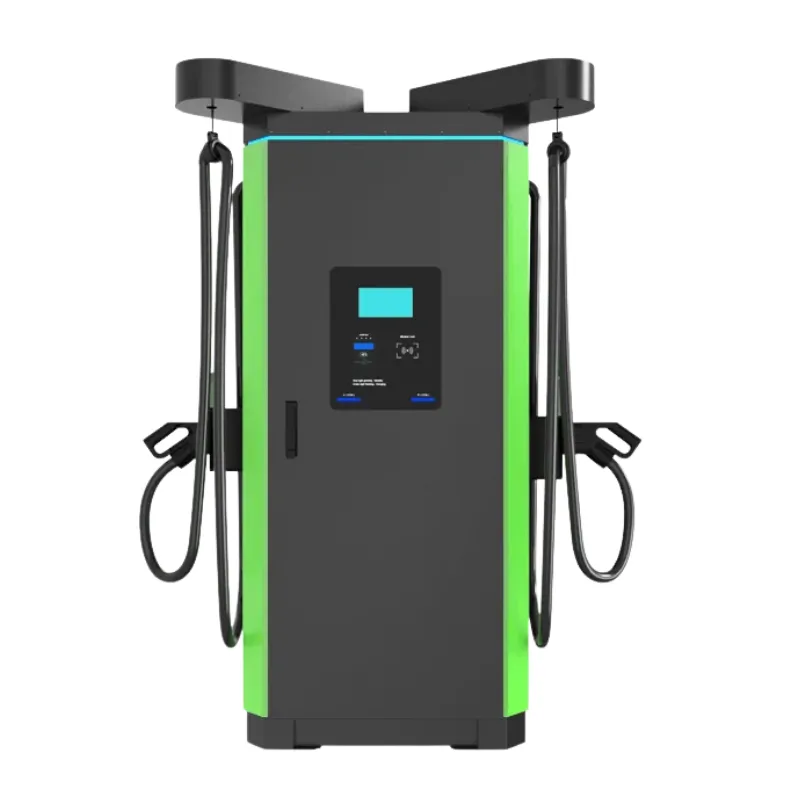
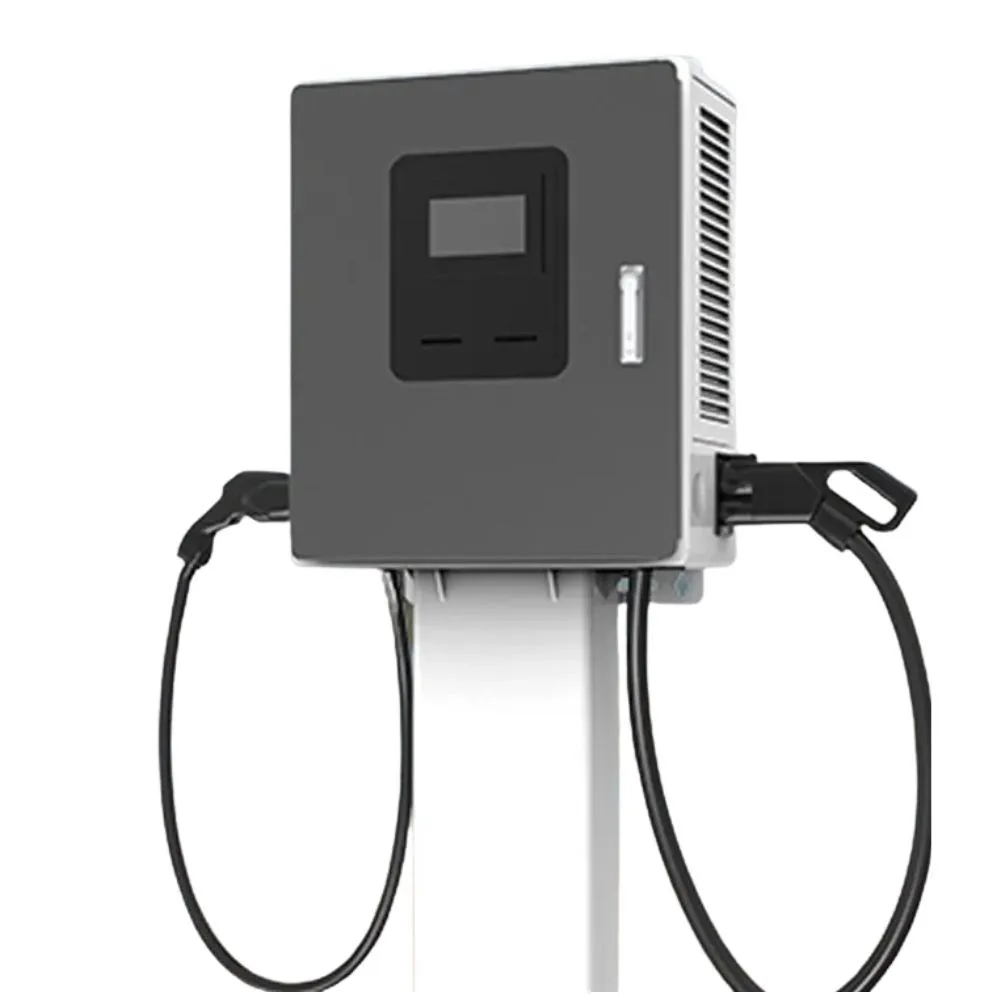
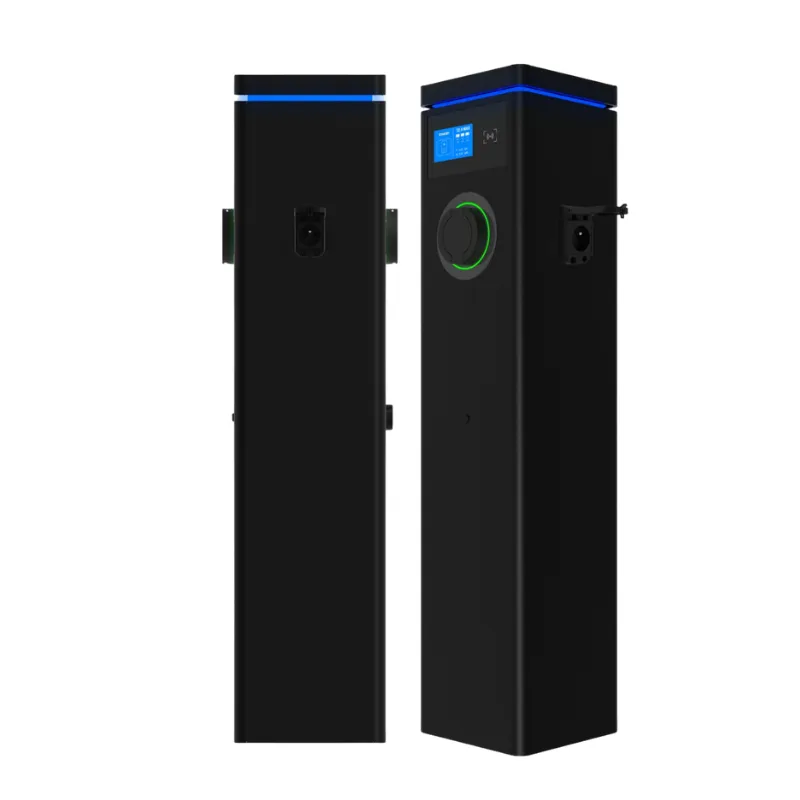
Match the series to the stop length. The UC series (60-360 kW; the 360 kW cabinet has two guns, each limited to 200 A, so one car cannot take the full 360 kW) suits highway stops. The HC series (20-60 kW) fits city car parks, and the dual-gun CPO series works for apartment and workplace parking. All support OCPP 1.6J and 2.0.1 and run to +55 °C.
We cannot state any Armenian or EEU approval for a model; the rules that apply to imported electrical equipment should be checked with the authorities, and we can supply technical documents and test reports for the process. For another smaller market compare Greece. Send your site voltage, connection size, number of bays and connector choice through the contact page, and we will reply with a configuration and quotation breakdown.
Grid capacity calculator
- Spare power for charging
- —
- Input current per charger (400 V)
- —
- Chargers at full power
- —
Spare power = kVA × 0.95 power factor × (1 − margin) − existing peak load. Input current ≈ charger kW ÷ (√3 × 400 V), with power factor and 95 % efficiency added for DC chargers. With dynamic load management more chargers can share the same capacity at reduced power. Always confirm with your electrical engineer and the grid operator.
Frequently asked questions
- Is EV import duty still zero in Armenia?
- The duty exemption comes from annual Eurasian Economic Union decisions. For 2026 the EEC reports 15,000 series hybrids for Armenia, and exemptions apply only to permanent residents of Armenia. We did not confirm what applies to battery-electric cars beyond that, or the final VAT position for 2026, so check with Armenian customs before you size demand.
- Which connector should an Armenian site use?
- Plan DC sites around CCS2 and AC around Type 2, and ask your target drivers and importers whether Chinese-market cars need GB/T. We did not find a published national connector rule in the sources we read. DC chargers can be configured to order for the connector mix you need.
- How is electricity priced for a charging business?
- The ADB notes that Armenia uses diversified day and night tariffs that encourage night charging. We could not open the regulator's current decision, so confirm the business tariff, the connection fee and how a high-power load is billed with Electric Networks of Armenia and the Public Services Regulatory Commission.
- Where should the first fast chargers go?
- The ADB recommends emphasis on fast chargers and mentions rest stops on the North-South Corridor and Crossroads of Peace. Local traffic counts and land availability decide the actual sites; send us the voltage, connection size and bays through the contact page and we will reply with a configuration and quotation breakdown.
References
- [1]Seven actions Armenia can take to accelerate the adoption of electric vehicles. Asian Development Bank.
- [2]Intergovernmental Council granted a tariff exemption for importing electric vehicles to Armenia, Belarus and Kyrgyzstan in 2026 (11 December 2025). Eurasian Economic Commission.