State guide
Washington State Fast Charging: Hydro Power, PSE and Cascade Routes
DC fast charging Washington State business guide: PSE fleet rate options, $37.3M state grants for 204 DC ports, NEVI Round 1 sites and UL 2202 basics.
- Prepared by
- EVCSTAR Engineering Team
- Published
- Reading time
- 4 min
- Sources
- 5 references
At a glance
- Average retail price (2024)
- 10.13 ¢/kWh (all sectors)
- State round (June 2026)
- $37.3M, 204 DC ports
- NEVI Round 1 (Jan 2026)
- $12.16M, 14 sites
- PSE peak window
- 4–9 p.m.
Key takeaways
- 1Washington is the largest hydropower state in the US (EIA), with an all-sector average retail price of 10.13 cents/kWh in 2024 (rank 39), so energy is cheap; for DC fast charging the bill is shaped by demand charges and rate design.
- 2Puget Sound Energy offers fleet rates in three structures (energy only, demand only, energy plus demand on the highest 15-minute demand) with peak hours of 4–9 p.m.; per-kWh and per-kW values are in its Schedule 558, which we did not read.
- 3Public money is available: a $37.3 million state round (June 2026) will add 204 DC fast ports and 550 Level 2 ports, and WSDOT announced $12.16 million of NEVI Round 1 awards for 14 corridor sites on 29 January 2026.
- 4Equipment sold for US sites must be listed to the US standards (UL 2594 for AC, UL 2202 for DC); in our range only the UC and SC series have North American builds.
On this page
Short answer: for DC fast charging in Washington State the energy is cheap — hydropower is the state’s primary source and the average retail price was 10.13 cents/kWh in 2024 — so the business case turns on the demand-charge structure of your utility, and on whether you can attach state or federal grant money to the build.
Hydro power, and what it does to the bill
Cheap kilowatt-hours do not make a cheap fast-charging site, because a 150 kW session is a demand event. EIA lists hydroelectric as Washington’s primary energy source, and the state’s 2024 all-sector average retail price was 10.13 cents/kWh, ranked 39th among states; that is an all-customer average, not a commercial charging rate. What a DC site pays is set by its utility schedule. Washington has many public utility districts as well as investor-owned PSE, and each has its own tariff, so the first step is to ask your own utility for a written estimate on the real peak kW.
Rate design at Puget Sound Energy
PSE gives commercial charging customers three ways to be billed; the choice depends on how spiky your load is.
| Option | You pay for | Fits |
|---|---|---|
| Energy only | kWh, higher in peak and lower off-peak | Simple bills, shifting load to off-peak |
| Demand only | Highest demand moment in peak and non-peak hours | Predictable load, staggered or smart charging |
| Energy and demand | kWh plus the highest 15-minute demand in the month | Large fleets that can manage peaks but not timing |
Peak is 4 p.m. to 9 p.m. except holidays. PSE’s page also mentions separate fleet incentives of up to $250,000 per charging location. The per-kWh and per-kW values sit in Schedule 558, which we did not open, and the page frames the rate for fleets charging off-peak, so a public fast-charge site may fall under a different commercial schedule. Ask PSE, and test the answer in the payback calculator with the demand charge as a separate line. Power limiting by OCPP smart charging is the cheapest tool to cut a monthly demand peak.
Grants and programs, as of mid-2026
Money is moving, but the programs favour specific places and applicants.
| Program | What the source says |
|---|---|
| NEVI Round 1 (WSDOT) | $12.16 million to five companies for 14 sites on I-90, US 97, US 195 and US 395; build within 24 months; announced 29 January 2026 |
| WA Electric Vehicle Charging Program (Commerce) | $37.3 million, 104 projects, 754 new ports by late 2027 (550 Level 2, 204 DC fast); 74% to overburdened communities |
| Ecology “Charge Where You Are” | About $8 million ($6 million Level 3); deadline 9 July 2026, now closed; for licensed Washington organisations incl. governments and tribes |
The NEVI history matters: federal officials paused Washington’s awards in 2025, the plan was reinstated in July 2025 after a preliminary injunction, and on 26 January 2026 a federal judge ruled the funds were unlawfully withheld (WSDOT). WSDOT’s stated goals include continuous coverage on I-90 and sites within 25 miles of the Idaho and Oregon lines and within 50 miles of the Canadian border. The Commerce round is funded by the Climate Commitment Act and, since 2022, the state has invested about $135 million in 618 projects. We did not verify the NEVI technical requirements (power per port, number of ports, uptime) or any federal tax credit; read the current WSDOT solicitation and ask your tax adviser.
The Cascade corridor picture
The state is using public money to fill the long gaps, so private sites do best where grants do not reach. NEVI Round 1 sites are along the east-west I-90 spine (Issaquah, North Bend, Cle Elum, Ellensburg, Moses Lake, Ritzville, Veradale and others) and in the east and north-east (Goldendale, Toppenish, Colfax, Pullman, Colville, Deer Park). Gaps worth studying: Puget Sound urban sites with long dwell (retail, multifamily, fleets) and the I-5 and Cascade-pass routes, which were not in Round 1.
US standards in brief
A US site needs equipment listed to US safety standards, and inspectors will ask for the mark. UL 2594 covers AC EV supply equipment and UL 2202 covers DC chargers; listings come from a recognised lab such as UL or Intertek (ETL). Connectors are CCS1, with NACS (SAE J3400) increasingly requested; see our standards guide. Federal programs add rules we have not verified here, including domestic-content requirements for federally funded projects; read the solicitation.
How EVCSTAR equipment fits
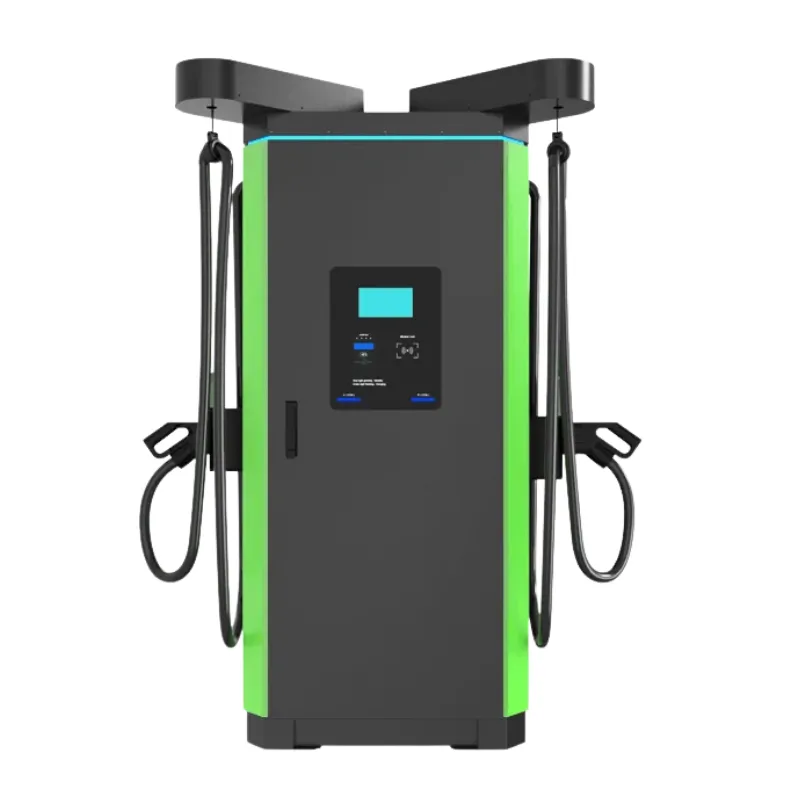
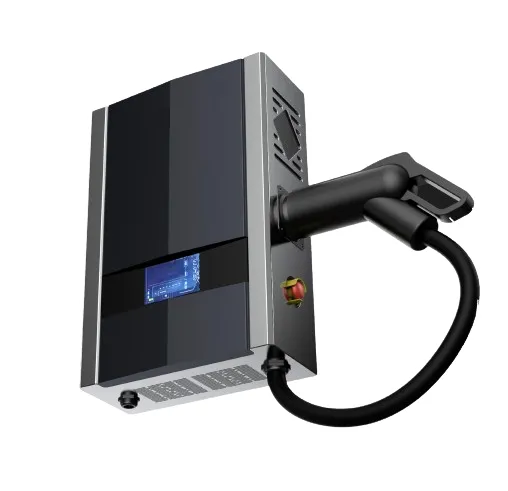
Only the UC series (60–360 kW) and the SC series (15–30 kW) have North American builds (480 V input, CCS1 and NACS). UC suits corridor and retail fast-charge sites with dynamic power sharing between two guns; SC suits fleet yards or multifamily parking where the connection is small. Both support OCPP 1.6J and 2.0.1. We cannot state that a given model holds a UL or ETL listing or meets Buy America rules: please ask what test reports and technical documents we can supply, then confirm with your utility, inspector and the grant administrator before ordering.
Payback calculator
Example values are filled in — replace them with your own quotation, tariff and traffic figures.
- Energy sold per month
- —
- Net margin per month
- —
- Simple payback
- —
Simple payback = total investment ÷ (energy sold × (price − energy cost) − fixed costs), using 30 days per month. Taxes, financing, subsidies and utilisation growth are not included.
Frequently asked questions
- How does Puget Sound Energy charge a DC fast-charging site?
- PSE's fleet rate page lists three options: energy only (higher in peak, lower off-peak), demand only (based on the highest demand moment) and energy plus demand (energy used plus a charge on the highest 15-minute demand in the month). Peak is 4 p.m. to 9 p.m. except holidays. The actual rates are in Schedule 558; ask PSE which schedule fits a public site, since the fleet page targets off-peak fleet charging.
- Is NEVI funding available in Washington?
- WSDOT announced $12.16 million for 14 sites (five companies) on 29 January 2026 after a federal judge ruled on 26 January 2026 that the funds were unlawfully withheld. The page did not list later rounds, so check WSDOT for open solicitations and the program rules before planning a corridor site.
- What state grants exist besides NEVI?
- The Washington Electric Vehicle Charging Program awarded $37.3 million to 104 projects in June 2026, funded by the Climate Commitment Act, and Ecology's Charge Where You Are round of about $8 million ($6 million for Level 3) had a 9 July 2026 deadline, already passed at publication. Eligibility is aimed at licensed Washington organisations including governments and tribal entities, so check whether a private operator qualifies.
- Which of your chargers can be used in the US?
- Only the UC and SC series have North American builds (480 V input, CCS1 and NACS). Utilities, inspectors and funding programs normally require a listing from a recognised lab; ask us what testing documentation exists for a specific model before relying on it for a permit or grant.
References
- [1]WSDOT announces $12.16 million in awards to expand electric vehicle charging across Washington. Washington State Department of Transportation, 29 January 2026.
- [2]Washington invests $37 million to expand EV charging access statewide. Washington State Department of Commerce, June 2026.
- [3]Transportation electrification open funding opportunities for July 2026. Washington State Department of Commerce, July 2026.
- [4]PSE fleet rates. Puget Sound Energy.
- [5]Washington Electricity Profile 2024. U.S. Energy Information Administration.