Installer guide
White-Label EV Chargers for Installers: What to Ask For
White label EV chargers installers checklist: under EU rules the brand owner becomes the manufacturer. Ask about documents, OCPP and firmware.
- Prepared by
- EVCSTAR Engineering Team
- Published
- Reading time
- 4 min
- Sources
- 3 references
At a glance
- Blue Guide record-keeping period
- 10 years
- Blue Guide edition
- 2022/C 247/01
- OCPP 1.6 certification options
- Core, Smart Charging, Advanced Security
- EVCSTAR OEM levels
- Branding, configured OEM, ODM
Key takeaways
- 1Putting your name on a charger changes your legal position: the Commission's 2022 Blue Guide says a product marketed under another person's name or trademark makes that person the manufacturer, responsible for the conformity assessment, CE marking, technical documentation and a 10-year retention period.
- 2You do not have to have designed or tested it yourself, but you must hold the technical documentation, including test reports, and certificates that clearly cover the specific product you sell; they need not carry your name.
- 3OCPP is certified by version and option: the Open Charge Alliance programme for 1.6 has Core, Smart Charging and Advanced Security options, and its page does not say whether a firmware change needs a retest, so ask the supplier what it has tested on the exact build.
- 4Ask for five things in writing before you pay for a sample: what is branded, which firmware you can adjust, which documents you receive, who holds the certificates, and who supports the back-end connection.
On this page
Short answer: when you buy white-label EV chargers as an installer, the question to ask a supplier is not “can you print my logo?” but “what do I hold, and who answers when it breaks?” Under the EU Blue Guide, the brand on the box is treated as the manufacturer, with the paperwork duties that come with it.
What the brand owner takes on
Your name on the product brings manufacturer duties with it. The European Commission’s Blue Guide (2022/C 247/01), section 3.1, says that if a product is marketed under another person’s name or trademark, that person is considered the manufacturer, and that the economic operator who does so “takes the entire responsibility” for the conformity assessment even if somebody else did the work. In practice that means holding the technical documentation, including relevant test reports, and certificates; they need not be in your name but must clearly show they cover the specific product you place on the market. The Guide also says the technical documentation and the EU Declaration of Conformity are kept for 10 years.
This is the EU’s rule. Other markets differ, and we have not checked them here; ask your own certification body.
The five questions to put in writing
Get these answered before the sample is built.
| Ask about | What good looks like | Why it matters |
|---|---|---|
| Branding | A list of what carries your logo: housing, screen, boot screen, packaging, manuals, labels | Avoids surprises on the rating plate and carton |
| Firmware | Which settings, languages and screens you control, and which stay locked | Decides whether you can tailor the product |
| Documentation | Manuals, quick guides, wiring diagrams and test reports, in your language | You need them for sales and inspections |
| Certificates | Who holds them, what they cover, and how changes are reviewed | Ties back to your manufacturer duties |
| Back-end | OCPP version tested, and a connection test to your system | Your support calls start here |
Add the support question to this list: who handles first-line calls, what remote diagnosis the supplier offers, and what the warranty covers when the charger carries your name.
OCPP, firmware and what a certificate covers
Ask which build was tested, not whether the product supports OCPP. The Open Charge Alliance’s OCPP 1.6 programme certifies options: Core (boot, authorisation, configuration, transactions, remote control and basic security), Smart Charging, and Advanced Security. The page covers only 1.6 and does not say how firmware changes affect a certificate, so treat that as a question for the supplier or a test lab. All EVCSTAR chargers support OCPP 1.6J and 2.0.1, and our OEM page says we test the connection to your CSMS on the sample unit before production.
Payment is another firmware-linked item. UK regulation 5 (2023) requires contactless payment on new public charge points of 8 kW and above, so a white-label public charger needs a card terminal option and a back-end that can process it. See payment options for the trade-offs.
What a supplier can brand, and what stays fixed
Three levels of cooperation, from a label to a new product. On our OEM and ODM page, OEM branding puts your logo on the housing, screen, packaging, manuals and labels on the same hardware as the standard range. Configured OEM adds housing colour and finish, the connector set for your market, communication choices and payment options. ODM covers changes to housing design and screen layout, custom firmware features and back-end integration, power and cable configurations outside the standard range, and joint planning of certification for your target markets.
For installers the useful thing is the sequence: brief, proposal, a branded sample for approval and back-end testing, production built to the approved sample, and launch support with product training and sales sheets. Do not skip the sample; it is where firmware and documents are checked.
Choosing a starting range
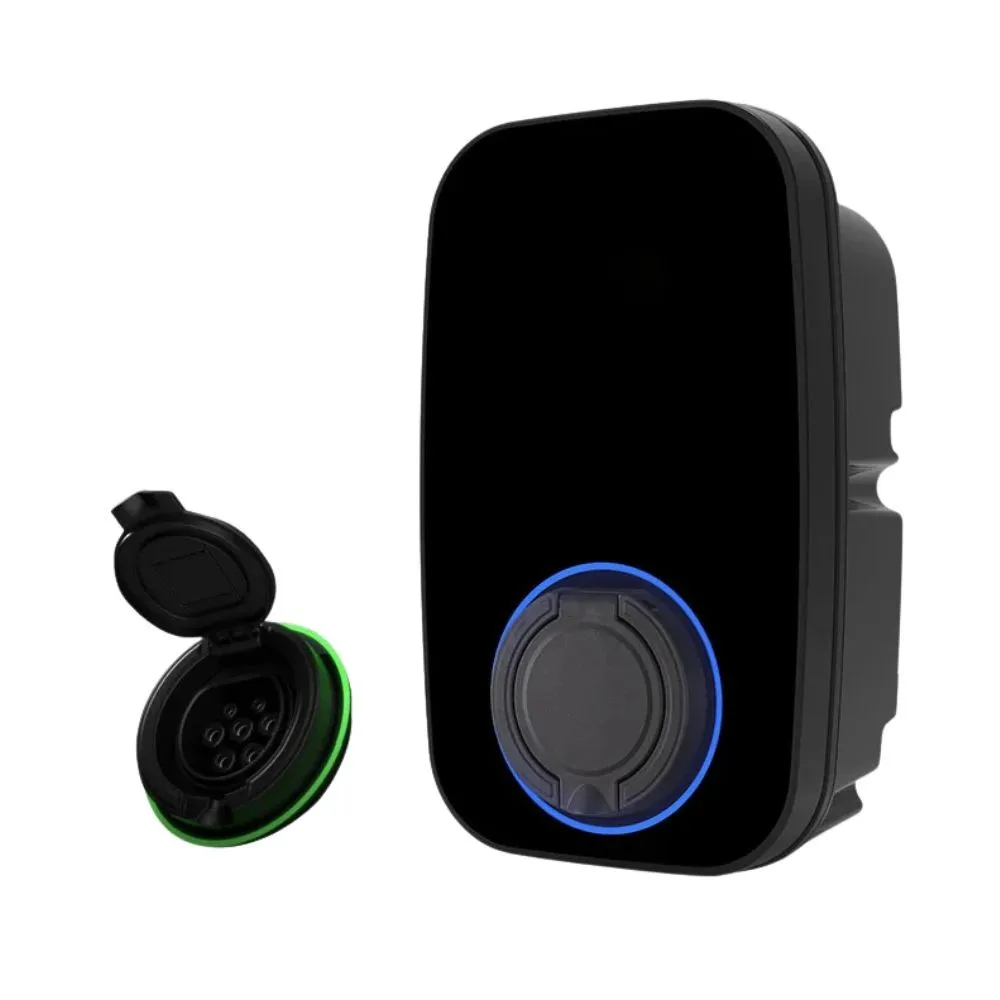
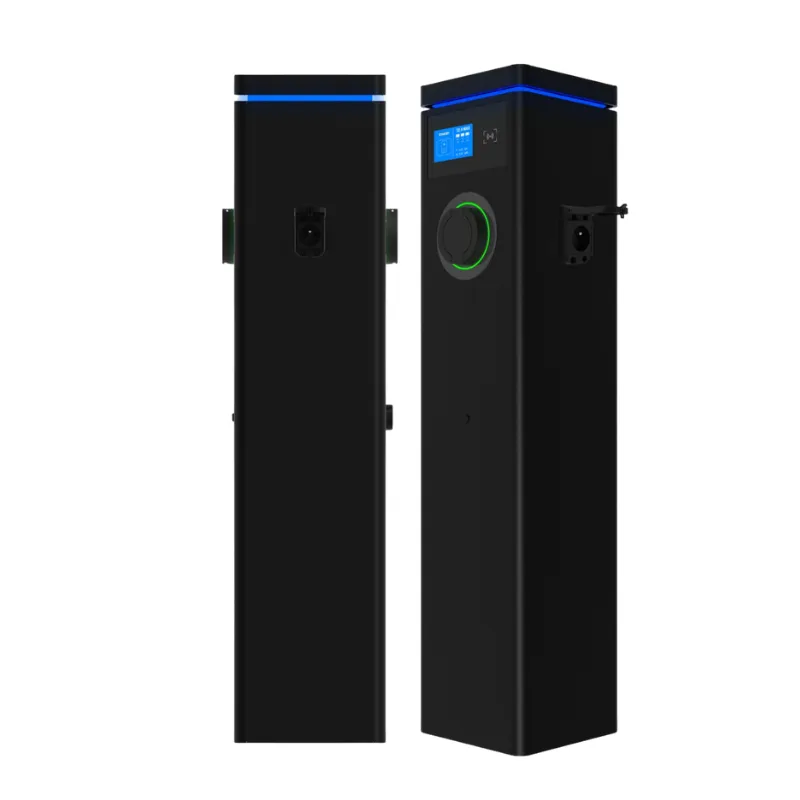
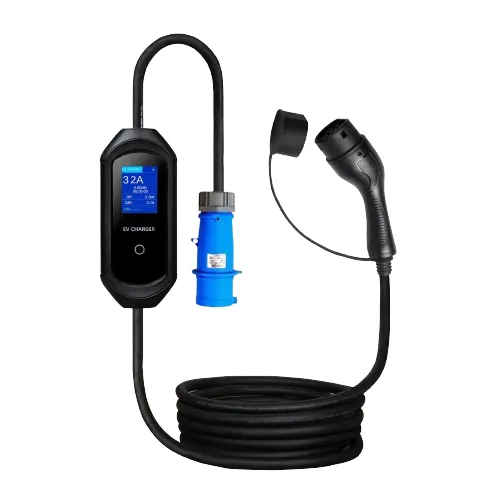
Installers usually begin with AC. For homes and small businesses, the FE series wallbox covers 3.7 to 22 kW; for car parks and shared sites, the CPO series has two outlets per cabinet; the AM series is the portable option. North American builds (480 V, CCS1 or NACS) exist only for the UC and SC DC series, so tell us early if your market is the US or Canada.
Price depends on configuration and on how much of the product carries your brand. Send us your target market, the series you want, approximate quantities, your logo files and the documents you need through the contact page, and we will reply with a configuration proposal and a quotation for each option. We can supply test reports and technical files to help you with the local process; confirm with your authority what it requires.
Frequently asked questions
- If I sell a supplier's charger under my brand, who is responsible for CE marking?
- Under the EU Blue Guide (2022), the operator that places a product on the market under its own name or trademark automatically becomes the manufacturer for the purposes of the product rules, and takes responsibility for the conformity assessment even if somebody else carried it out. You need the documentation and certificates that demonstrate compliance of the specific product. Check the position for your own country, and ask your supplier to support you with documents.
- Can I change the firmware or add my own back-end?
- On our OEM and ODM page, configured OEM covers communication options and OCPP 1.6J or 2.0.1 to your back-end, and ODM covers custom firmware features and back-end integration. We test the connection to your system with the sample unit before production. The extent of changes depends on the series, so list what you need in your brief.
- Does re-badging change the certification?
- Our OEM page says branding changes such as logo, colour and packaging do not change the electrical design, and that hardware changes are reviewed against the standards for your market before production. Whether your market also needs the certificate reissued in your name is a question for your certification body or authority.
- What will white-label chargers cost me?
- It depends on the configuration: series, power, connector and cable set, communication and payment options, what carries your brand, and documents and packaging. Send us your target market, series, approximate quantities and logo files through the contact page, and we will return a configuration proposal and a quotation for each option.
References
- [1]The 'Blue Guide' on the implementation of EU product rules 2022 (2022/C 247/01), sections 3.1 and 4.5. European Commission (copy hosted by a third party).
- [2]OCPP 1.6 certification. Open Charge Alliance.
- [3]The Public Charge Point Regulations 2023, regulation 5: Contactless payment. legislation.gov.uk (UK Government).