Installer guide
How to Build an EV Charger Installation Business: DC and AC Work
EV charger installer business guide: licences and training, insurance in general terms, choosing a charger supplier and a worked margin example for DC jobs.
- Prepared by
- EVCSTAR Engineering Team
- Published
- Reading time
- 5 min
- Sources
- —
At a glance
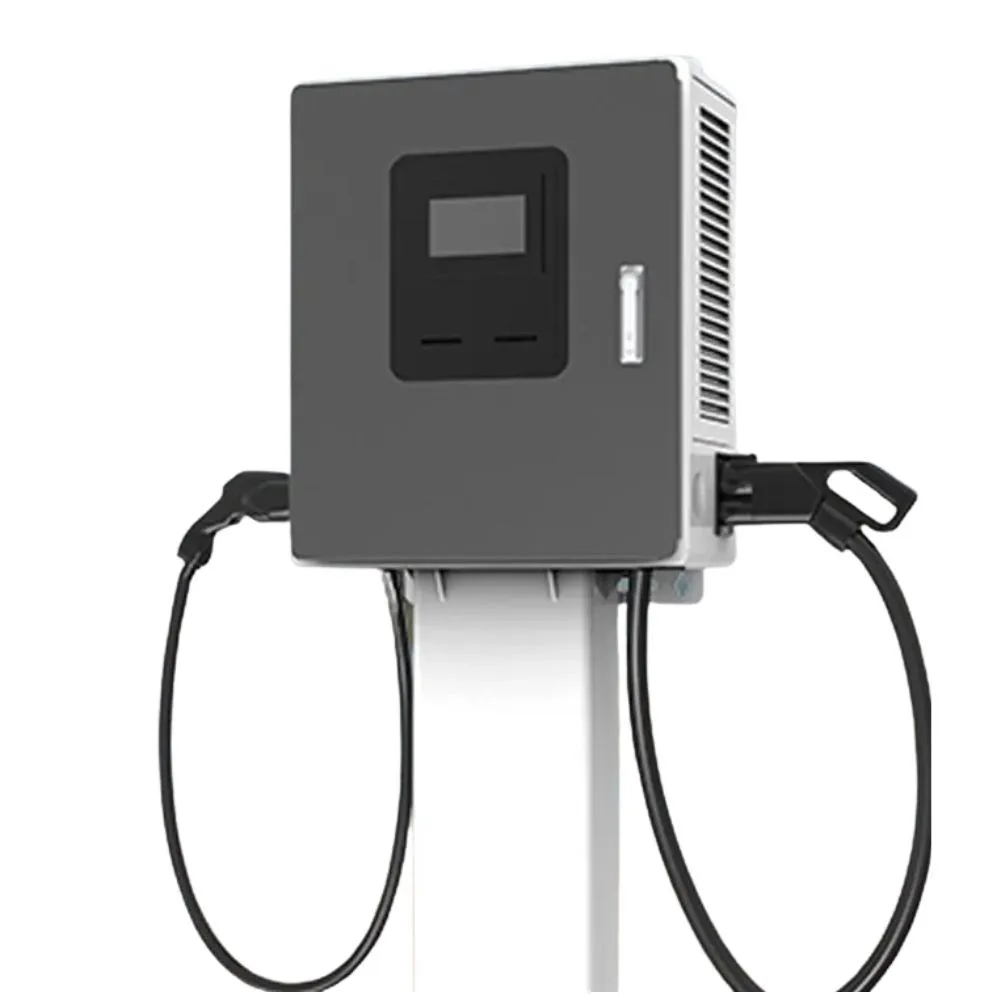
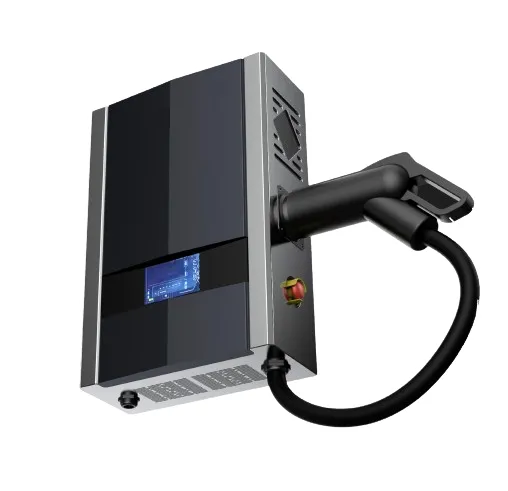
- DC models with a wall or pedestal mount (EVCSTAR)
- HC and SC series
- Input current range, SC30 to UC300 (400 V)
- 47–465 A per phase
- EVCSTAR warranty
- 12 months
- Communication protocols on EVCSTAR DC chargers
- OCPP 1.6J and 2.0.1
Key takeaways
- 1An EV charger installer business is built in this order: the qualifications your regulator requires, insurance matched to the work you will actually do, one or two supplier relationships you have tested, and a small number of repeatable job types.
- 2AC wallboxes and DC fast chargers are different businesses: AC is volume work on small jobs; DC is project work with a utility connection, civil works and commissioning, so it earns more per job but needs more capital, tools and time.
- 3Margin comes from three lines, not one: the equipment you resell, your labour, and the ongoing service contract; a supplier who gives you documents, a commissioning checklist and a clear warranty process protects all three.
- 4Rules on licences, registration and incentives differ by country, and we could not verify them for every market, so check with your electrical regulator and your insurer before you quote the first job.
On this page
Short answer: to build an EV charger installer business, get the licences and training your regulator requires, insure the work you will actually do, choose a small set of tested suppliers, start with repeatable jobs and add DC fast charger projects when you have the tools, the utility contacts and a commissioning routine.
Two businesses under one name
AC and DC installation are different trades with different economics. Knowing which one you are building changes the tools you buy and the people you hire.
| Factor | AC wallbox and commercial AC | DC fast charger |
|---|---|---|
| Typical job | Home, workplace, car park | Fleet depot, retail, highway, hotel |
| Supply | Single or three-phase, often from an existing board | Three-phase, 47 A to 465 A per phase on EVCSTAR spec sheets, often a new connection |
| Civil works | Wall or pedestal | Plinth, ducts, trenching, protection |
| Utility | Rarely involved for small jobs | Almost always |
| Job length | Hours to a day | Days to weeks, with weeks or months of waiting on the utility |
| Back end | Optional | Required, with payment and reporting |
| Your risk | Volume, callbacks | Project risk, payment terms, warranty |
For the electrical details of DC work see our DC installation guide.
Qualifications and training
Training is where the rules are least uniform, so verify them locally. The usual pattern is a general electrical licence or registration first, then EV-specific training, and in some countries registration with a scheme to claim incentives or sign off work. We did not verify the requirements in every market, so ask your electrical regulator or licensing body, and your insurer, which certificates they expect. Beyond the legal minimum, budget training for three things: the code for EV charging in your market (in the United States, Article 625 of the NEC, see our NEC 625 guide), the commissioning and fault-finding course of the manufacturer you sell, and basic network work, meaning how an OCPP back end is configured.
Insurance, in general terms
Insurance should follow the work, not the other way round. We are not insurance advisers, and what is mandatory differs by country, but the usual headings to raise with a broker are:
- Public liability for damage or injury to third parties on site
- Professional indemnity if you design the installation or size the supply
- Employer’s liability, where the law requires it for staff
- Tools, plant and vehicle cover
- Cover for defective workmanship after hand-over, and what the policy says about work on equipment above a certain voltage or current
Tell the broker plainly that you will work on three-phase equipment, mounted on a plinth, at up to 465 A per phase, and ask for the exclusions in writing. A job at a customer’s site often needs proof of cover in the contract; having the certificate ready helps win work.
Choosing a supplier
A supplier is part of your warranty chain, so judge them on documents and support as much as price. Ask for the following in writing before you order the first unit:
| Ask for | Why it matters |
|---|---|
| Technical documents and test reports for the exact model | Your client’s inspector or utility may ask |
| Installation manual and commissioning checklist | You work to it; so does the warranty |
| Warranty terms and claim process | Who ships a part and who pays labour |
| OCPP version supported | Lets you choose or change the software |
| Spare parts and local service route | Keeps a fault from becoming a long outage |
| Branding options if you sell under your name | See the white-label guide |
EVCSTAR chargers carry a 12-month warranty (see the warranty page). We do not state in this guide that a model holds a local certification; whatever your market requires, tell us the project and we will send the technical documents and test reports we can supply to support your local process.
Margins: a worked example, with assumptions
You earn on equipment, on labour and on service, and a discount on one can hide a loss on another. The figures below are invented to show the method, not market data and not EVCSTAR prices.
Assumptions: one 60 kW DC job. Equipment resale: you buy the charger for 100 and sell it for 115 (15% mark-up). Labour: 60 hours at an internal cost of 1 per hour and a billed rate of 1.5. Subcontracted civil works: bought at 40, sold at 44. Service contract: 8 per year billed, 5 per year cost.
| Line | Cost | Billed | Margin |
|---|---|---|---|
| Equipment | 100 | 115 | 15 |
| Labour (60 hours) | 60 | 90 | 30 |
| Civil works subcontract | 40 | 44 | 4 |
| Total job | 200 | 249 | 49 (about 20% of billed) |
| Service contract, year 1 | 5 | 8 | 3 |
Two things follow. First, a 15% mark-up on equipment is not a 15% margin on the job; the job margin here is about 20% because labour carries most of it. Second, if the job overruns by 20 hours, labour cost rises by 20 and the margin falls from 49 to 29 (about 12% of 249). The cure is a fixed scope, a written variation process and a utility connection offer in hand before you quote. Use the grid capacity calculator at the quoting stage so that the supply is sized before the price is fixed.
Growing the business
Add one job type at a time and write down the routine. A reasonable path is home and workplace AC, then commercial AC with several outlets, then a compact DC unit for one client, then full DC projects. At each step write the survey form, the quote template, the commissioning record and the hand-over pack, and train a second person to run them. Keep customer sites on a service contract with a response time you can meet. See our guidance on maintenance and warranty cost for what a service line has to cover.
Which EVCSTAR series for which job
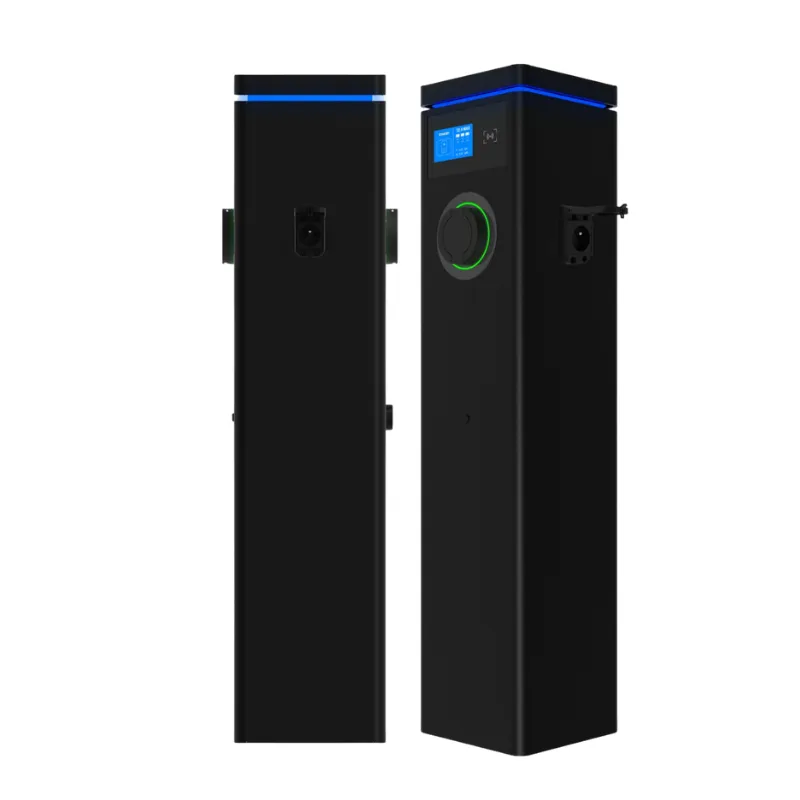
Match the product to the job type you can already deliver. For AC, the FE series wallbox and the CPO series commercial dual-outlet unit cover home to car-park work. For a first DC project, the SC series (15 to 30 kW, 24 to 47 A per phase) and the HC series (20 to 60 kW, up to 93 A per phase) fit sites with a limited supply.
If you want to resell, tell us your market, the job types you plan, the voltage and the connector standards through the contact page. We reply with a configuration proposal and quotation breakdown, the technical documents, and the branding options we can offer.
Grid capacity calculator
- Spare power for charging
- —
- Input current per charger (400 V)
- —
- Chargers at full power
- —
Spare power = kVA × 0.95 power factor × (1 − margin) − existing peak load. Input current ≈ charger kW ÷ (√3 × 400 V), with power factor and 95 % efficiency added for DC chargers. With dynamic load management more chargers can share the same capacity at reduced power. Always confirm with your electrical engineer and the grid operator.
Frequently asked questions
- Do I need a special licence to install EV chargers?
- In most countries the installer must hold the general electrical licence or registration first; some add an EV-specific course or a registration to claim incentives. We did not verify the rules for every market, so ask your electrical regulator or licensing body what applies before you quote, and keep the certificates for your insurer.
- What insurance does an EV charger installer need?
- In general terms, installers look at public liability, professional indemnity for design work, cover for tools and vehicles, employer's liability where the law requires it, and cover for workmanship after hand-over. What is mandatory and what a policy excludes depends on the country and the insurer, so speak to a broker and tell them you install DC equipment at 400 V or 480 V.
- Should I start with AC wallboxes or DC fast chargers?
- Most installers start with AC because the jobs are small, repeatable and need little civil work, then move to DC for fleet depots, hotels and retail sites once they have the test equipment and the utility contacts. A compact wall-mounted DC unit such as the SC or HC series can be a stepping stone.
- How do I choose a charger supplier?
- Ask for the technical documents and test reports for the exact model, the commissioning checklist, the warranty process in writing, the spare-parts route, and whether the chargers use OCPP so you can pick the software. Our white-label guide lists the questions in detail.